Wire Fraud and Data Security: The Threat New Brokers Underestimate
For newly licensed real estate brokers in Washington, the first few years in the industry are a whirlwind of client meetings, property showings, and contract negotiations. Amidst the excitement of closing your first transactions, it is easy to overlook the quietest yet most devastating threat to your business and your clients: cybercrime. Real estate transactions are prime targets for sophisticated hackers because they involve large, predictable sums of money moving between multiple parties.

Understanding the mechanics of cyber threats is not just a best practice; it is a core component of your professional responsibility. As you prepare for your first active renewal cycle, mastering risk management is critical. Under Washington Department of Licensing (DOL) guidelines, first-time renewing brokers must complete specific education hours to keep their licenses active. Incorporating risk reduction into your daily workflow protects your clients and keeps you compliant with state standards. For official licensing rules and deadlines, you can verify requirements directly on the Washington State Department of Licensing website.

How the Scam Works Against Buyers and Escrow
The most prevalent cyber threat in our industry is Business Email Compromise (BEC). In this scenario, hackers do not target the secure servers of large banks; instead, they target the weakest link in the communication chain—often the broker's or the client's personal email account. By monitoring compromised email threads, criminals learn the exact timing of an upcoming closing, the names of the parties involved, and the escrow company handling the transaction.
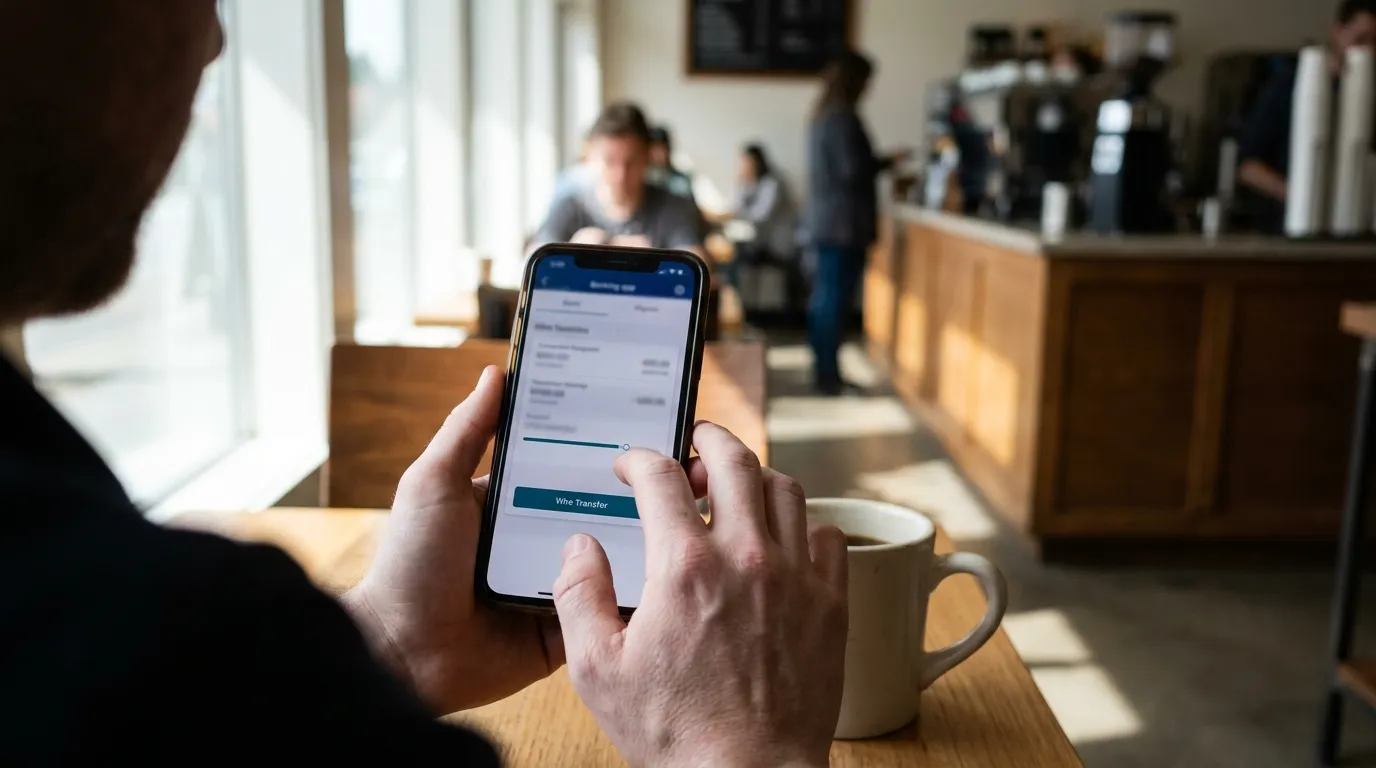
Once the hackers have this information, they strike. Just days or hours before the buyer is scheduled to wire their down payment or closing costs, the hacker sends an email pretending to be the escrow officer or the real estate broker. The email, which often uses a spoofed domain name that looks nearly identical to the legitimate one, claims there has been a "last-minute change" to the wiring instructions. Trusting the email, the buyer sends the funds to the fraudulent account. By the time the mistake is discovered, the money is often moved overseas, leaving the buyer financially devastated and the transaction ruined.
The Warning You Should Send at Contract Signing
Implementing robust real estate wire fraud prevention washington protocols starts at the very beginning of the transaction. You should never wait until the closing week to discuss wire safety with your clients. The moment a purchase and sale agreement is signed, you must establish a clear, unalterable communication protocol with your buyers.
Explain to your clients that wiring instructions rarely, if ever, change at the last minute. Instruct them that they must verify any wiring instructions over the phone using a trusted, independently sourced phone number—not the number listed in the email containing the instructions. By setting this expectation early, you create a psychological barrier that prevents your clients from falling victim to urgent, high-pressure emails from scammers.
Email Hygiene for Brokers
Your email inbox is the gateway to your transactions. Practicing strict email hygiene is your first line of defense against cyber criminals. Many brokers mistakenly believe that standard passwords are enough to protect their accounts, but modern hackers use sophisticated phishing schemes to bypass basic security measures easily.
To secure your business, implement the following email hygiene rules immediately:
- Enable Multi-Factor Authentication (MFA): Turn on MFA on your email accounts, CRM, and any transaction management platforms you use. This adds a vital layer of security that prevents unauthorized access even if your password is compromised.
- Avoid Public Wi-Fi: Never access transaction folders, client details, or your business email using unsecured public Wi-Fi networks without a secure Virtual Private Network (VPN).
- Inspect Sender Addresses: Always double-check the actual email address of the sender, not just the display name. Scammers often use addresses like "escrow@closings-wa.com" instead of "escrow@closingswa.com".
- Use Professional Email Domains: Avoid using free email services (like Gmail or Yahoo) for your real estate business. A custom domain allows for better security protocols and looks more professional to your clients.
What to Do in the First Hour After a Suspected Fraud
If a client informs you that they may have wired funds to a fraudulent account, every second counts. The first 24 to 48 hours are critical for any hope of recovering the stolen funds. You must act immediately to guide your client through the recovery process.
First, instruct the client to call their sending bank immediately and request a "Wire Recall" due to fraud. Next, they must contact the receiving bank's fraud department to freeze the funds before they are withdrawn or transferred. Once the banks are notified, file a complaint immediately with the FBI's Internet Crime Complaint Center (IC3) at ic3.gov. Finally, notify your managing broker and your firm's legal counsel so they can assist in managing the liability and documenting the incident.
Client-Facing Warning Template
To help you protect your clients, copy and paste the template below into your initial email correspondence with every new buyer. Sending this simple warning can save your clients from financial ruin and protect your business from devastating liability.
***IMPORTANT WIRE FRAUD ALERT***
Please be advised that email hacking and wire fraud are on the rise. My office will NEVER send you an email changing wiring instructions, routing numbers, or account details. If you receive an email, text message, or phone call that appears to come from me or the escrow company directing you to wire funds to a different account, do not respond. Immediately call me or your escrow officer at a known, verified phone number to confirm the instructions before sending any money.
Frequently Asked Questions
What are the first renewal CE requirements for Washington brokers?
Per the Washington Department of Licensing, brokers renewing their license for the first time must complete 90 hours of continuing education. This includes a 30-hour Advanced Practices course, a 30-hour Real Estate Law course, a 3-hour Core course, and 27 hours of elective courses. This comprehensive package must be completed before your active license expiration date.
Can I complete my Washington first renewal courses online?
Yes, you can complete all 90 hours of your required continuing education online through an approved education provider. Online courses allow you to study at your own pace, fitting your education around your active client schedule while ensuring you meet all state regulatory deadlines.
How does wire fraud impact a broker's liability in Washington?
Brokers who fail to warn their clients about the risks of wire fraud or who use insecure communication methods can face severe legal liability, lawsuits, and potential disciplinary action from the Department of Licensing. Implementing standard disclosures and maintaining secure email practices are essential risk-management steps.
Secure Your License and Your Clients' Future
Protecting your clients from cyber threats is just one aspect of being a successful, professional broker. As a new licensee, staying on top of your education is the best way to build a compliant, thriving practice. Our comprehensive Washington 90-Hour First Renewal Package is designed specifically to help you meet the Washington Department of Licensing requirements efficiently and affordably.
Don't wait until the last minute to complete your mandatory hours. Invest in your career, master risk management, and secure your professional future today by enrolling in our fully approved Washington First Renewal course package.