Why Washington Brokers Should Understand Flood Zones Before Listing Property
For real estate professionals in the Pacific Northwest, water is a defining feature of the landscape. From the Puget Sound to the Columbia River and the countless streams feeding into them, water shapes our communities. However, it also introduces significant environmental risks. When analyzing washington brokers flood zones listings, it becomes clear that failing to identify a property's flood risk can lead to transaction failures, expensive post-closing lawsuits, and severe regulatory compliance issues.
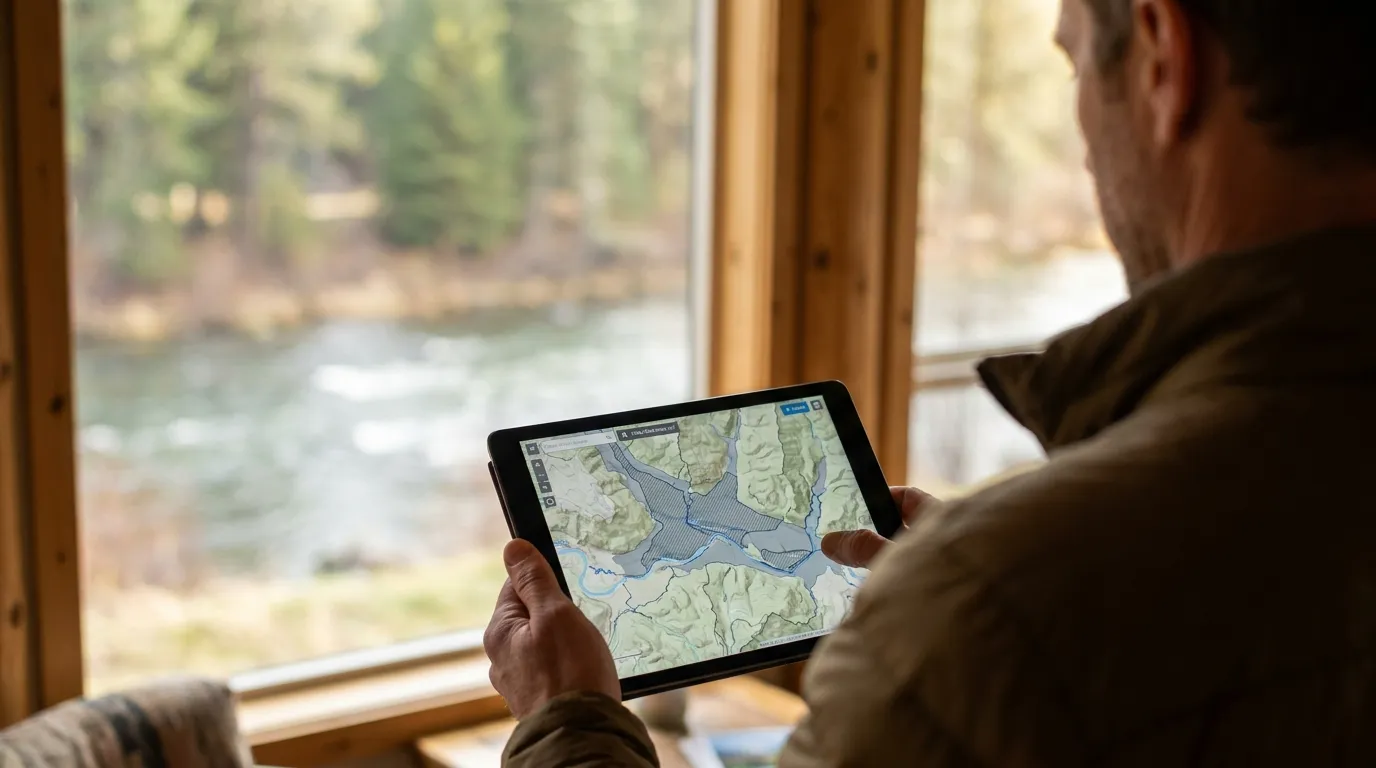
By reading this guide, you will gain a clear understanding of how flood zone designations impact property values, disclosure requirements, and buyer financing in Washington State. You will also learn how to leverage practical elective topics to satisfy your mandatory continuing education hours and protect your clients from costly surprises.

The Critical Intersection of Flood Risk and Washington Real Estate
The Rule or Concept in Plain English
In plain English, any property located within a Special Flood Hazard Area (SFHA)—commonly referred to as the 100-year floodplain—is subject to strict federal regulations. If a buyer uses a federally backed mortgage to purchase a home in an SFHA, federal law mandates that they obtain flood insurance. Because traditional homeowners insurance does not cover rising surface water, this additional policy can add thousands of dollars to a buyer's annual housing costs, directly impacting their debt-to-income ratio and purchasing power.
Who This Applies To—And Who Should Verify a Different Renewal Path
This applies to all active Washington real estate brokers and managing brokers who represent buyers and sellers in residential or commercial transactions. If you are a newly licensed broker completing your very first renewal cycle, you must follow a specific statutory path. First-time renewers should verify their unique requirements and enroll in a comprehensive Washington 90-Hour First Renewal Package to ensure they complete the mandatory advanced, law, and core coursework required by the state.
Key Flood Zone Concepts Every Broker Must Master
Required Versus Elective Education
The Washington Department of Licensing (DOL) requires active licensees to complete 30 hours of approved continuing education every two years. While specific courses like the Core Course are mandatory, the remaining hours can be fulfilled using approved Washington CE courses covering practical electives. Understanding environmental hazards, land use, and flood zone mapping are excellent examples of elective topics that directly improve your daily practice and protect your clients.
Where CORE and Fair Housing Fit
Every active broker must complete the mandatory 3-hour Washington Core Course and the 3-hour Fair Housing course as part of their renewal cycle. These mandatory hours ensure you stay compliant with state laws and civil rights regulations. The remaining hours of your 30-hour requirement can be customized with practical electives that focus on risk reduction, such as flood zone identification, contract drafting, or environmental disclosures.
Real-World Transaction Scenarios in Washington
Scenario A: The Hidden Floodplain in King County
Imagine listing a beautiful suburban home in King County adjacent to a quiet creek. The seller insists the property has never flooded during their ten years of ownership. However, a preliminary title search or a quick check of the FEMA Flood Map Service Center reveals that the back half of the parcel, including a portion of the home's daylight basement, sits within Zone AE. If you list this property without disclosing this designation, a buyer under contract may discover the flood insurance requirement during the appraisal process, leading to a terminated contract or a demanded price reduction.
Scenario B: The Coastal Elevation Certificate Dispute
In coastal areas of Grays Harbor or Pacific County, properties in Zone VE face high risks from wave action. A broker representing a buyer on a waterfront home fails to ask for an Elevation Certificate. Without this document, insurance underwriters must rate the property using worst-case assumptions, resulting in an astronomical flood insurance quote of $8,000 per year. The buyer, unable to afford the unexpected monthly payment, is forced to back out of the transaction just days before closing.
Common Errors, Client Misunderstandings, and Compliance Risks
Practical Steps the Broker Can Take Today
To protect your business and your clients, make it a standard practice to verify the flood zone of every new listing using the FEMA Map Service Center or your local county GIS mapping tool. Never rely solely on a seller's verbal assurance that "it doesn't flood here." Additionally, always advise buyers in writing to obtain an independent flood insurance quote during their feasibility or inspection contingency period.
What to Verify Before Enrollment or Renewal
Before you enroll in any continuing education course, verify that the education provider is approved by the Washington Department of Licensing. You can cross-reference school approvals directly on the official Washington Department of Licensing website. Ensuring your courses are fully accredited prevents last-minute renewal delays and protects your active license status.
Connecting Flood Education to Your 30-Hour CE Requirement
Mistakes That Waste Time or Create Renewal Risk
One of the most common mistakes Washington brokers make is waiting until the last week of their renewal month to find and complete their CE. This often leads to rushing through generic, unhelpful courses or accidentally repeating courses they took in the previous cycle. Under Washington administrative code, you cannot receive CE credit for repeating the exact same course within the same renewal period.
Simple Prevention Checklist
- Track your license expiration date and start your CE at least 60 days in advance.
- Confirm you have completed the mandatory 3-hour Core Course and 3-hour Fair Housing course.
- Select high-quality, practical electives that address real-world risks like flood zones, water rights, or environmental disclosures.
- Keep digital copies of your course completion certificates for at least three years in case of a DOL audit.
Related Courses and Next Learning Topics to Consider
Quick Checklist for Washington License Renewal
To successfully renew an active broker or managing broker license in Washington, you must complete 30 clock hours of approved continuing education. This total must include the 3-hour Core Course, the 3-hour Fair Housing course, and at least 24 hours of approved electives. If you are completing your subsequent renewal, you can easily fulfill all of these hours online in one convenient package.
Next Step for a Broker Ready to Finish CE
If you are ready to complete your subsequent renewal requirements quickly and professionally, you can enroll in a comprehensive Washington 30-Hour Renewal Package. This package combines your mandatory Core and Fair Housing hours with highly relevant, practical electives designed to keep your transactions safe and compliant.
Frequently Asked Questions
Does this course count toward Washington CE if approved?
Yes. Any elective course covering flood zones, environmental hazards, or land use will count toward your Washington continuing education hours, provided the course has been formally approved by the Washington Department of Licensing (DOL) and is offered by an approved school.
How many elective hours do I need?
For a standard subsequent renewal, Washington brokers need a total of 30 clock hours. Since 6 of those hours must cover the mandatory Core and Fair Housing topics, you will need to complete 24 hours of approved elective coursework to satisfy the state's requirements.
Can I combine this topic with CORE and Fair Housing in one package?
Yes. The most efficient way to renew your license is to choose a pre-packaged online CE solution that bundles the mandatory 3-hour Core Course, the 3-hour Fair Housing course, and 24 hours of high-quality electives into a single, cost-effective package.
Can an approved elective be repeated in a later renewal cycle?
Yes, you can take the same elective topic in a subsequent renewal cycle, provided it is a new licensing period. However, you cannot repeat the exact same course number for credit within the same two-year renewal window.
Finish Your Washington Real Estate CE Online
Understanding environmental risks like flood zones is not just about passing a test—it is about protecting your clients' equity and shielding your real estate business from liability. By staying informed on local geographic risks and state disclosure laws, you position yourself as a trusted advisor in your local market.
GetMeRenewed (DOL School Approval #S1695) offers fully approved, 100% online continuing education courses designed specifically for Washington real estate professionals. Our courses are self-paced, mobile-friendly, and designed to fit seamlessly into your busy schedule.
Don't wait until your license expiration date is around the corner. View our comprehensive packages and complete your renewal hours today.