Short Sales and Distressed Property in Washington: A Broker's Guide
Navigating the complexities of distressed properties requires a deep understanding of state-specific real estate laws, financial negotiations, and consumer protection guidelines. For real estate professionals in Washington, mastering these transactions is not just an opportunity to expand their business, but a critical necessity for protecting their clients and maintaining regulatory compliance. Whether you are helping a struggling homeowner avoid foreclosure or assisting an investor in purchasing a bank-owned property, utilizing a comprehensive washington short sale broker guide is essential for a smooth transaction.

As a newly licensed broker approaching your first renewal cycle, understanding these specialized transactions can set you apart in a competitive market. The Washington Department of Licensing (DOL) requires specific continuing education hours to maintain your active status. To fulfill these requirements seamlessly while gaining practical knowledge on complex topics like distressed sales, you can enroll in our comprehensive Washington 90-Hour First Renewal Package, designed to satisfy all state mandates while elevating your professional expertise.

Where the Market Creates Distressed Inventory
Distressed inventory does not appear in a vacuum; it is the direct result of shifting economic pressures, localized market downturns, and personal financial hardships. In Washington, regional economic fluctuations—such as tech sector layoffs in the Puget Sound area or agricultural shifts in Eastern Washington—can quickly impact a homeowner's ability to service their mortgage. When property values stagnate or decline while interest rates rise, homeowners who utilized adjustable-rate mortgages or took out home equity lines of credit may find themselves underwater, owing more than the property is currently worth.
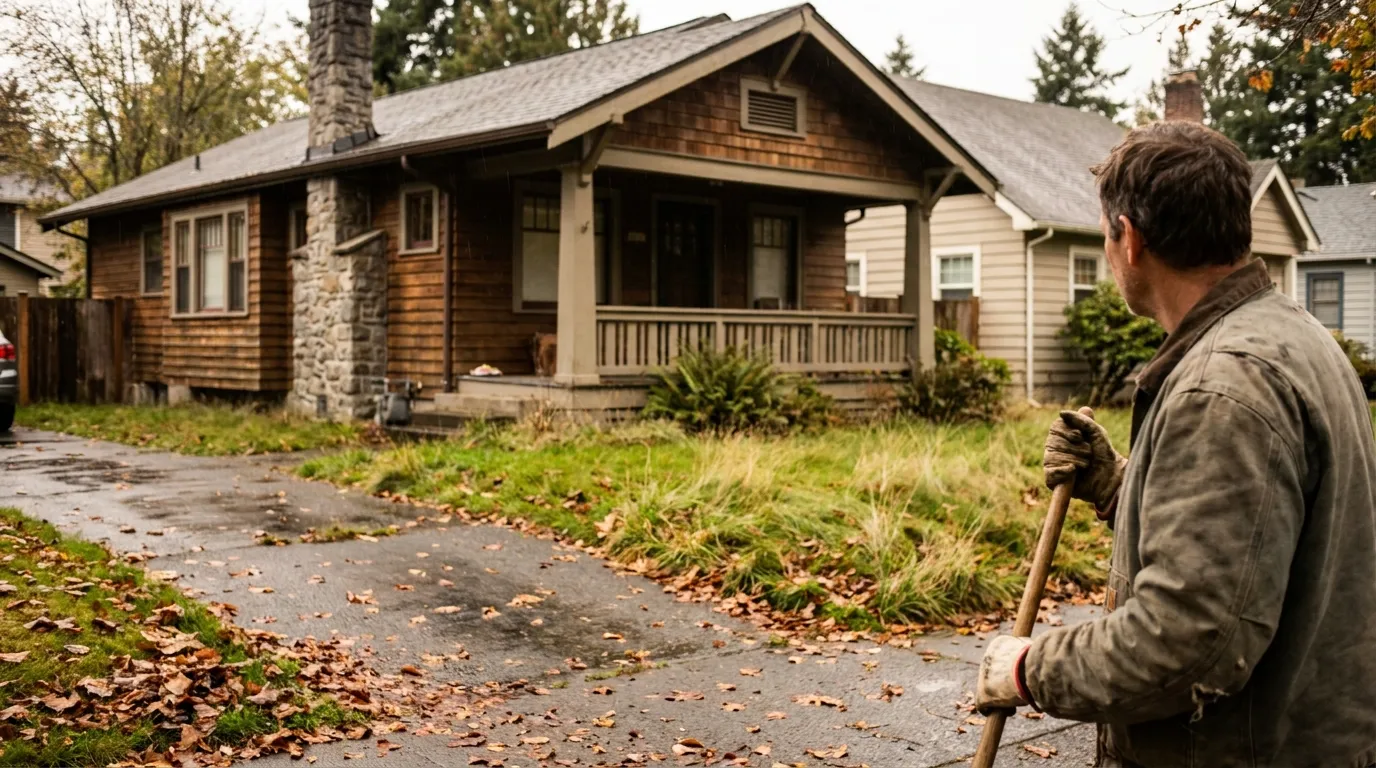
Additionally, personal hardships such as divorce, medical emergencies, or job loss are primary drivers of mortgage default. When these life events intersect with a cooling housing market, sellers lose the ability to sell their homes traditionally to pay off their debts. This intersection of macroeconomic factors and personal financial distress creates the specific inventory known as short sales and foreclosures, requiring licensed brokers to step in as knowledgeable, empathetic advisors.
The Short Sale Process and Timeline
A short sale occurs when a lender agrees to accept a payoff that is less than the outstanding balance of the mortgage loan. This process is notoriously complex and requires meticulous documentation. The timeline begins with the seller proving financial hardship through a detailed package submitted to the lender. This package typically includes tax returns, pay stubs, bank statements, and a deeply personal hardship letter explaining why they can no longer afford their mortgage payments.
Once a buyer submits an offer, the broker must present it to the seller's lender for approval. Unlike traditional transactions where negotiations occur solely between buyer and seller, short sales require the lender's explicit consent, which can take several months. During this waiting period, the lender will order a Broker Price Opinion (BPO) or an independent appraisal to verify the property's current market value. Brokers must remain patient and highly organized, keeping all parties informed throughout this prolonged timeline.
Disclosure Obligations in Distressed Sales
In Washington, transparency is paramount when dealing with distressed properties. Sellers are still legally obligated to complete the Seller Disclosure Statement (Form 17), disclosing all known material defects of the property. However, because distressed properties are often neglected due to the owner's financial strain, brokers must exercise heightened diligence. It is common for distressed homes to have deferred maintenance, structural issues, or unpermitted work that must be clearly documented.
Furthermore, brokers must ensure that the short sale contingency is clearly disclosed to all potential buyers. Buyers must understand that the transaction is contingent upon third-party (lender) approval and that the timeline is unpredictable. Failing to disclose the distressed status of a property or the necessity of lender approval can lead to severe legal liabilities and potential disciplinary action by the Washington Department of Licensing.
Washington's Distressed Property Law and Broker Duties
Washington State has strict regulations governing transactions involving distressed residential properties, primarily codified under the Distressed Property Conveyances Act (RCW 61.34). This law is designed to protect vulnerable homeowners from predatory foreclosure rescue scams. Under this statute, a "distressed property adviser" is subject to rigorous fiduciary duties, and brokers must be exceptionally careful not to inadvertently act as an unlicensed distressed property consultant.
As a licensed real estate broker, your duties include providing honest, competent representation and avoiding any actions that could mislead a homeowner in financial distress. You must never promise a specific outcome, such as guaranteeing that a lender will approve a short sale or halt a foreclosure auction. For official guidelines and legal definitions, you can verify current statutes directly on the Washington Department of Licensing website.
Whether a New Broker Should Take One On
For a newly licensed broker navigating their first few years in the industry, taking on a short sale or distressed property listing can be a double-edged sword. On one hand, it offers an unparalleled learning experience, forcing you to master complex contract negotiations, lender communications, and risk management. On the other hand, the high failure rate of short sales and the intense emotional toll on the sellers can be overwhelming for an inexperienced agent.
If you decide to represent a client in a distressed sale, it is highly recommended that you seek mentorship from an experienced managing broker within your firm. Partnering with a seasoned colleague ensures that your client receives the highest level of service while protecting your license from costly mistakes. Additionally, investing in high-quality continuing education is the best way to build the foundational knowledge required to handle these challenging transactions safely.
Frequently Asked Questions
What is the difference between a short sale and a foreclosure in Washington?
A short sale is a voluntary transaction where the homeowner sells the property with the lender's permission for less than the mortgage balance. A foreclosure is a legal process where the lender forcibly repossesses the property due to non-payment, typically through a non-judicial trustee sale in Washington.
Can a broker charge an extra fee for negotiating a short sale?
No, real estate brokers in Washington cannot charge homeowners separate, upfront fees for negotiating short sales with lenders. All compensation must be paid through the managing brokerage and disclosed on the settlement statement at closing.
How does the Washington Distressed Property Conveyances Act affect real estate licensees?
The Act imposes strict penalties on individuals who exploit distressed homeowners. Licensed real estate brokers acting within the scope of their ordinary business are generally exempt from being classified as "distressed property advisers," provided they do not charge specialized upfront fees or engage in predatory equity-purchasing schemes.
Are you ready to master complex transactions and secure your professional future? Ensure your license remains active and compliant by enrolling in our comprehensive Washington 90-Hour First Renewal Package today. Gain the critical knowledge you need to protect your clients and excel in the Washington real estate market.