Elective Spotlight: Home Inspection Knowledge That Makes You Useful
In the Pacific Northwest real estate market, building a reputation as a trusted broker requires more than excellent sales skills. Clients look to you for clarity during stress-heavy milestones, and few steps in the transaction trigger more anxiety than the property inspection. Developing strong home inspection knowledge for agents allows you to interpret reports objectively, keep negotiations grounded, and protect your clients from making emotionally reactive choices.
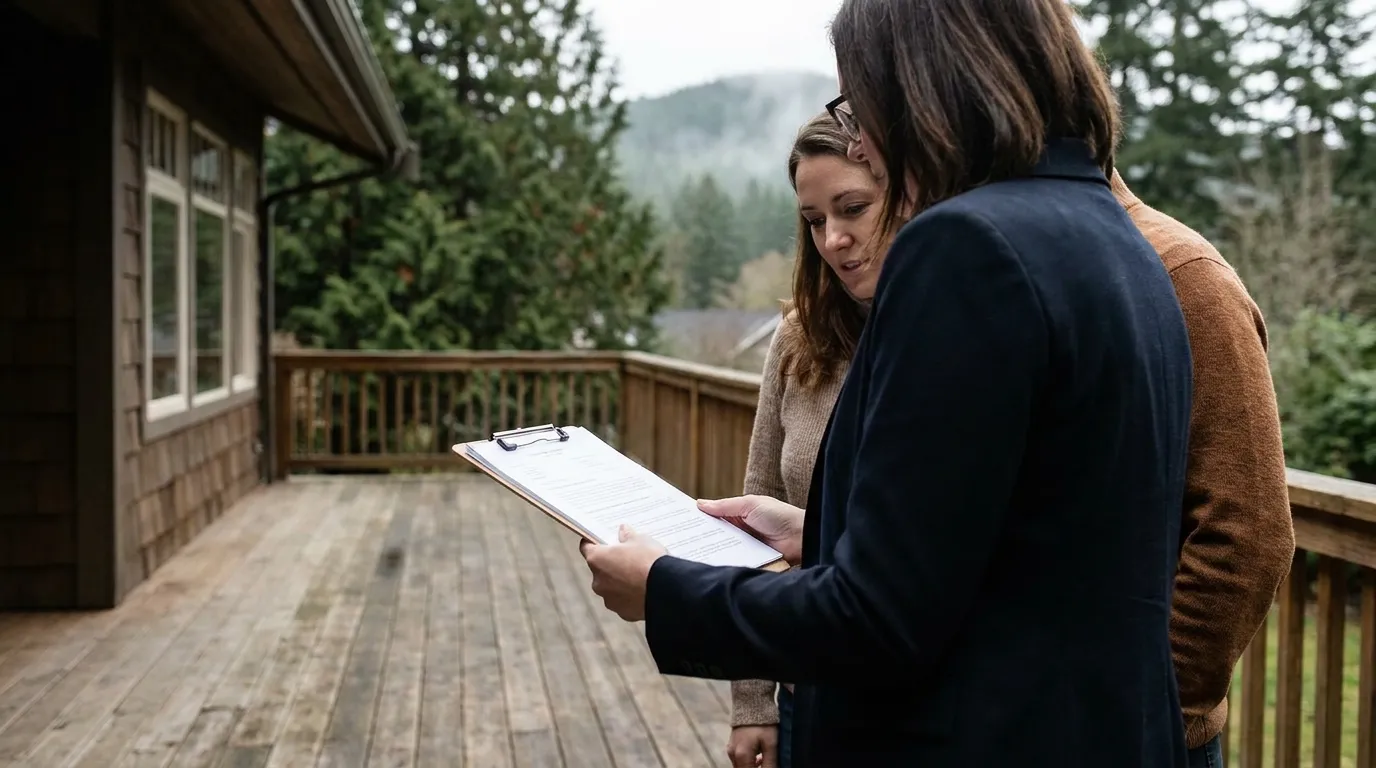
Understanding residential building systems and common inspection findings also plays a key role in managing professional liability. While real estate brokers must never act as licensed home inspectors or structural engineers, knowing how to interpret report findings ensures you recommend the right secondary specialists at the right time. For brokers navigating their initial licensing cycle, mastering elective topics like property condition analysis seamlessly complements mandatory state coursework. You can complete your required hours efficiently through our comprehensive Washington 90-Hour First Renewal Package.

The Systems Inspectors Flag Most in WA Homes
Washington state has unique climate conditions that place specific strains on residential structural and mechanical systems. Moisture management is crucial throughout Western Washington, where prolonged rainfall frequently leads to moss accumulation, roof degradation, and drainage failures. Inspectors frequently flag deteriorating asphalt shingles, clogged gutter systems, and improper slope grading that allows surface water to pool against concrete foundations.

Inside the home, heating, ventilation, and air conditioning (HVAC) systems draw significant scrutiny. Older forced-air furnaces, heat pumps, and unserviced tankless water heaters regularly end up on summary pages. Crawlspaces and attics are equally sensitive areas in local housing stock. Home inspectors in Washington consistently report findings related to inadequate ventilation, missing vapor barriers, elevated ambient humidity, and evidence of pest activity. Brokers who recognize these frequent flags can set reasonable expectations for buyers before the formal report ever arrives.
Reading a Report Without Overstepping Your Scope
When a detailed 50-page inspection report lands in your inbox, your primary responsibility is to synthesize the information without offering unauthorized technical or legal diagnoses. Real estate brokers should focus on the executive summary while guiding clients to evaluate issues based on safety, structural integrity, and immediate material cost.
It is vital to distinguish between minor maintenance items and major systemic defects. A loose cabinet hinge or an ungrounded outlet near a sink should not be categorized with an aging electrical panel or a cracked heat exchanger. Always advise your buyers to rely on the written conclusions of the licensed home inspector and certified trade specialists for technical evaluations. To review mandatory professional conduct boundaries, you can confirm current license standards with the Washington Department of Licensing.
Pre-Inspection Listings: Pros and Cons
Recommending a pre-listing inspection to sellers is a strategic choice that depends on the specific property and market dynamics. On the positive side, a pre-listing inspection minimizes surprises during escrow, allows sellers time to obtain competitive repair quotes, and provides buyers with added confidence when drafting offers.
However, pre-inspections also introduce specific legal disclosure responsibilities. In Washington, once a seller or listing broker becomes aware of a material defect through a pre-inspection report, that defect must be disclosed on the Seller Disclosure Statement (Form 17). If a seller lacks the liquid funds to repair a newly discovered major defect, having that knowledge on record can complicate the marketing strategy. Brokers must weigh these tradeoffs carefully with their listing clients.
Specialty Inspections: Sewer Scope, Structural, and Pest
A standard home inspection evaluates readily accessible components, but complex properties often require specialized secondary reviews. Real estate agents should know when to recommend targeted evaluations to safeguard their buyers' interests:
- Sewer Scopes: Essential for older homes with clay or cast-iron waste lines, as well as properties surrounded by mature trees where root intrusion can cause catastrophic line backups.
- Structural Engineer Evaluations: Recommended when the primary inspection reveals significant foundation settlement, horizontal concrete cracking, or altered load-bearing framing.
- Pest and Wood-Destroying Organisms (WDO): Crucial in damp climates where carpenter ants, moisture ants, and wood-rot fungi can compromise subflooring and framing timber.
Preparing Clients for the Report
Managing client expectations before the inspection occurs is the best way to prevent smooth transactions from falling apart unnecessarily. Remind buyers that an inspector’s primary job is to document every imperfection, regardless of age or scale. A long report does not automatically mean a home is uninhabitable.
Encourage your clients to attend the final 30 minutes of the inspection so the inspector can walk them through the findings in person. Seeing a minor fault in context prevents buyers from panicking over harsh technical descriptions on paper. Once the report is finalized, assist your clients in creating a logical inspection response that focuses on critical health, safety, and structural elements rather than cosmetic enhancements.
Frequently Asked Questions
Why is home inspection knowledge important for real estate agents?
Understanding home inspection fundamentals helps agents manage buyer expectations, negotiate inspection responses effectively, avoid misinterpreting minor defects, and protect clients from unforeseen costs while staying strictly within legal professional boundaries.
Can a real estate agent perform a home inspection in Washington?
No. Real estate licensees are not qualified or licensed home inspectors. Agents must never offer professional opinions on structural, electrical, or mechanical integrity and should always direct clients to licensed inspection professionals in Washington State.
How does inspection knowledge fit into my Washington first renewal CE requirements?
Per the Washington Department of Licensing, first-time active broker renewals require 90 clock hours of approved continuing education, including specific mandatory courses like Advanced Practices and Real Estate Law, alongside approved electives. Elective courses focused on property conditions fulfill required clock hours while building practical transaction skills. Check the state regulator website to confirm your exact package setup before enrolling in your Washington First Renewal courses.
Master Your Craft and Complete Your Continuing Education
Elevating your professional competency through practical elective topics makes you an indispensable resource for buyers and sellers across Washington. When you can comfortably explain crawlspace ventilation, sewer scope findings, and risk management strategies, you build lasting client trust that translates into repeat business and referrals.
As you plan your upcoming license renewal, satisfy your clock hour requirements with comprehensive coursework tailored specifically to state rules. Ensure your license stays active and fully compliant by enrolling in your required continuing education package today.