Heating Oil Tanks in Washington Homes: A Transaction Landmine
Navigating a residential real estate transaction in Washington State requires a keen eye for subtle property defects that can derail a closing. Among the most complex environmental hazards a real estate licensee can encounter is an underground heating oil tank (UST). Popular throughout the mid-20th century, these buried steel containers pose significant financial and legal risks if they corrode and leak petroleum into the surrounding soil or groundwater. Understanding how to identify, disclose, and resolve issues related to a heating oil tank in a Washington home sale is essential for protecting your clients and preserving your deals.

For real estate brokers, unrecorded or improperly closed heating oil tanks can turn a routine listing into a protracted transaction landmine. Buyers may face unexpected remediation costs, lenders may refuse to issue loans, and title companies may flag environmental liability exceptions. Mastering these technical transaction nuances is a core component of professional competency. Real estate licensees undergoing their first renewal cycle must complete specific continuing education requirements, which can be fulfilled seamlessly through a comprehensive Washington 90-Hour First Renewal Package designed to keep brokers compliant and prepared for real-world transaction hurdles.

Why Older Puget Sound Homes Have Buried Tanks
During the housing boom between the 1920s and the late 1970s, heating oil was the primary fuel source for residential properties throughout the Puget Sound region, Eastern Washington, and surrounding areas. To save basement floor space and minimize residential safety risks, builders routinely buried large steel storage tanks—often ranging from 300 to 1,000 gallons—directly into residential lawns or along home foundations. Over time, municipalities expanded natural gas infrastructure, leading thousands of homeowners to convert their heating systems without removing or properly treating the old underground tanks.
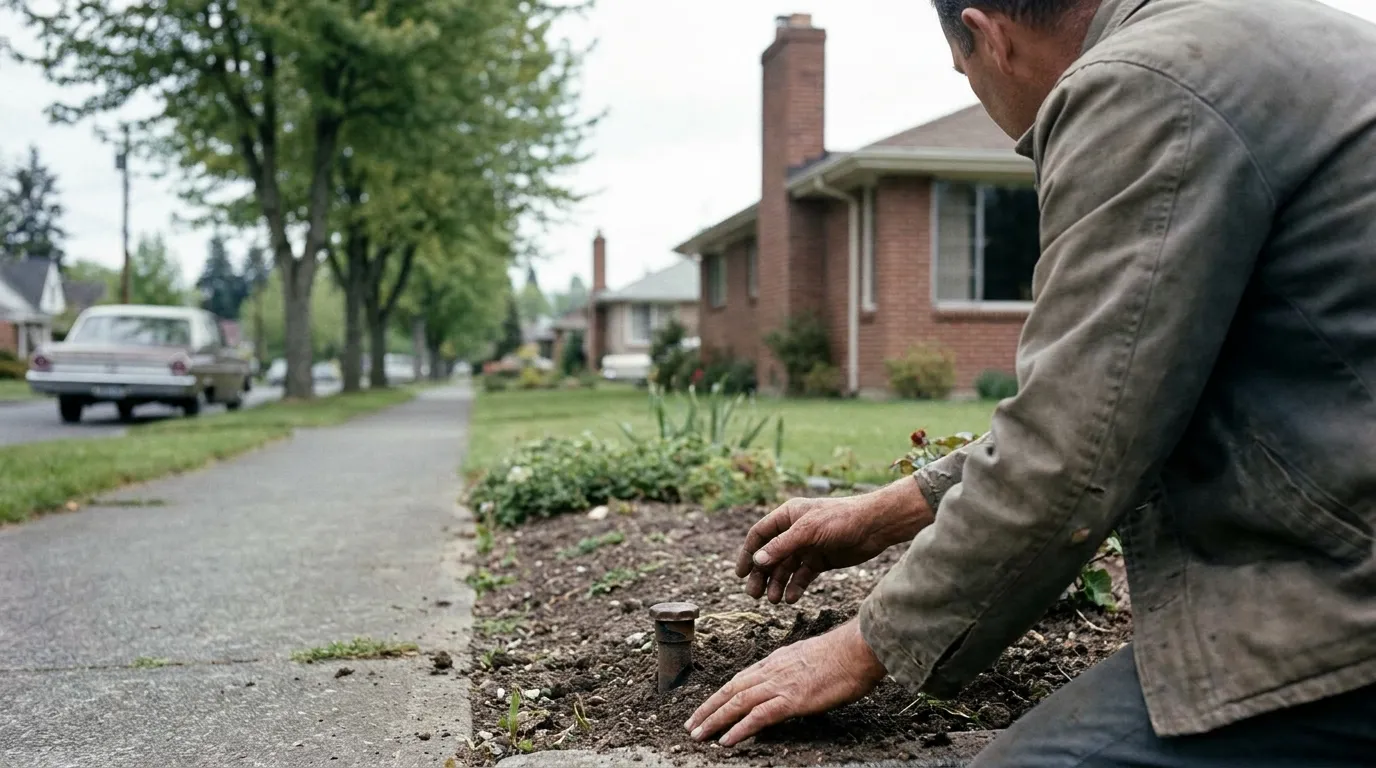
Because these steel tanks were buried directly in moist Pacific Northwest soil, rust and oxidation are inevitable. A typical underground steel tank has an operational lifespan of 20 to 30 years. Today, virtually every buried residential heating oil tank in Washington has exceeded its engineered lifespan. Corroded tanks can leak residual oil into the surrounding soil, creating environmental liability that transfers to the property owner under state law unless handled correctly during the transaction.
Decommissioning and Documentation
When an underground heating oil tank is identified during a home sale, the buyer's broker and listing broker must understand the legal status of the tank. Simply turning off the fuel line or abandoning a tank in place does not meet regulatory standards. In Washington, a tank must be formally "decommissioned" according to local fire code standards and state environmental regulations. Decommissioning typically occurs through one of two methods: complete physical removal of the tank from the ground, or decommissioning in place, where the tank is pumped clean, washed, and completely filled with an inert material such as concrete slurry, polyurethane foam, or pea gravel.
Crucially, decommissioning requires paperwork. A proper decommissioning process involves soil sampling around the tank footprint to confirm that no oil has leaked into the surrounding earth. Once verified, a certified environmental contractor issues a final decommissioning report and certificate. Listing brokers must never rely on verbal assertions from sellers that a tank was "handled years ago." Without a written decommissioning certificate and certified soil test results demonstrating a clean sample, the tank remains an open environmental liability in the eyes of buyers, inspectors, and lenders.
Insurance and Remediation Programs
If soil testing reveals that a underground tank has leaked, cleanup costs can quickly reach thousands—or even tens of thousands—of dollars depending on the migration of the oil. Fortunately, Washington State offers a unique financial safety net through the Pollution Liability Insurance Agency (PLIA). PLIA manages the Heating Oil Pollution Liability Insurance Program, which historically provided up to $60,000 in cleanup coverage for registered residential heating oil tanks that leaked, protecting homeowners from catastrophic out-of-pocket expenses.
However, real estate brokers must be cautious: PLIA programs have evolved, and strict registration and reporting guidelines apply. For active coverage, the tank must have been registered prior to specific program reauthorizations or qualify under active state re-insurance frameworks. Licensees should always direct clients to verify current coverage eligibility and active cleanup assistance programs directly with the official state agency via plia.wa.gov. Guarantees regarding state-funded cleanup should never be made without official confirmation from PLIA officers.
Lender and Title Reactions
Underground heating oil tanks frequently trigger severe roadblocks during underwriting and title examination. Modern mortgage guidelines—including those from Fannie Mae, Freddie Mac, FHA, and VA—require properties serving as collateral to be free from active environmental hazards. If a home inspection report notes an unconfirmed or active underground tank, mortgage underwriters will routinely halt loan processing until a certified soil test confirms the absence of contamination or until the tank is properly decommissioned by a licensed contractor.
Title insurance companies also closely monitor property records for environmental liens or disclosures. An unmaintained tank can lead to a title exception, excluding environmental cleanup liability from title policy coverage. If contamination has migrated across property lines to neighboring parcels, the financial scope expands exponentially, virtually guaranteeing that a deal will fall through unless the seller takes immediate corrective action under qualified professional supervision.
A Pre-Listing Checklist for Washington Real Estate Brokers
To prevent transactions from collapsing days before closing, listing agents should implement a proactive risk mitigation plan when taking a listing built before 1980. Managing these environmental concerns requires technical knowledge that brokers build throughout their careers. Newly licensed agents can solidify their understanding of disclosures and liability by enrolling in a Washington First Renewal education course to ensure every client is protected.
Follow this pre-listing checklist when working with older Washington properties:
- Inspect the Grounds and Foundation: Search the lawn and perimeter foundation for old fill pipes, vent pipes, or copper supply lines entering the basement or crawlspace.
- Review Form 17 Disclosures: Ensure the seller completes the Washington Real Estate Environmental / Framing Section of Form 17 accurately regarding historical or active fuel storage tanks.
- Gather Historic Documentation: Ask the seller for written records, contractor invoices, soil test results, or PLIA registration certificates for any past tank work.
- Recommend Pre-Listing Tank Searches: If pipes exist but the history is unknown, advise the seller to hire a certified locate company to perform an electronic tank sweep and soil test before taking the home to market.
- Verify Regulatory Compliance: Encourage clients to double-check state requirements and compliance details directly through the Washington Department of Licensing at dol.wa.gov.
Frequently Asked Questions
Can a seller list a house in Washington with an active heating oil tank?
Yes, a seller can legally list a home with an active heating oil tank, but the existence and condition of the tank must be disclosed on Form 17 (Seller Disclosure Statement). Buyers, their inspectors, and their lenders will likely request testing or formal agreements regarding maintenance and liability before closing.
What is the difference between removing a tank and decommissioning it in place?
Removal involves physically excavating the tank out of the ground, testing the pit soil, and backfilling the hole. Decommissioning in place leaves the tank underground after pumping out remaining liquid, cleaning the interior, taking soil samples, and filling the tank shell with an inert material like sand or concrete slurry.
Who pays for heating oil tank cleanup during a home sale?
Payment terms are completely negotiable between buyer and seller, though standard practice usually places pre-existing environmental remediation costs on the seller. If the tank was previously enrolled in a state protection program like PLIA, insurance proceeds may offset a portion of the remediation expense.
