Environmental Issues in Washington Real Estate: Lead, Asbestos, Radon, Mold
Navigating environmental hazards is a fundamental duty for real estate brokers across the Pacific Northwest. When assisting buyers and sellers, managing risk involves identifying potential environmental hazards and adhering strictly to legal disclosure obligations. Under Washington law, property sellers must complete the legal seller disclosure statement (Form 17), which addresses known structural, environmental, and soil conditions. Brokers must ensure these disclosures are handled transparently to protect their clients from litigation and health hazards.
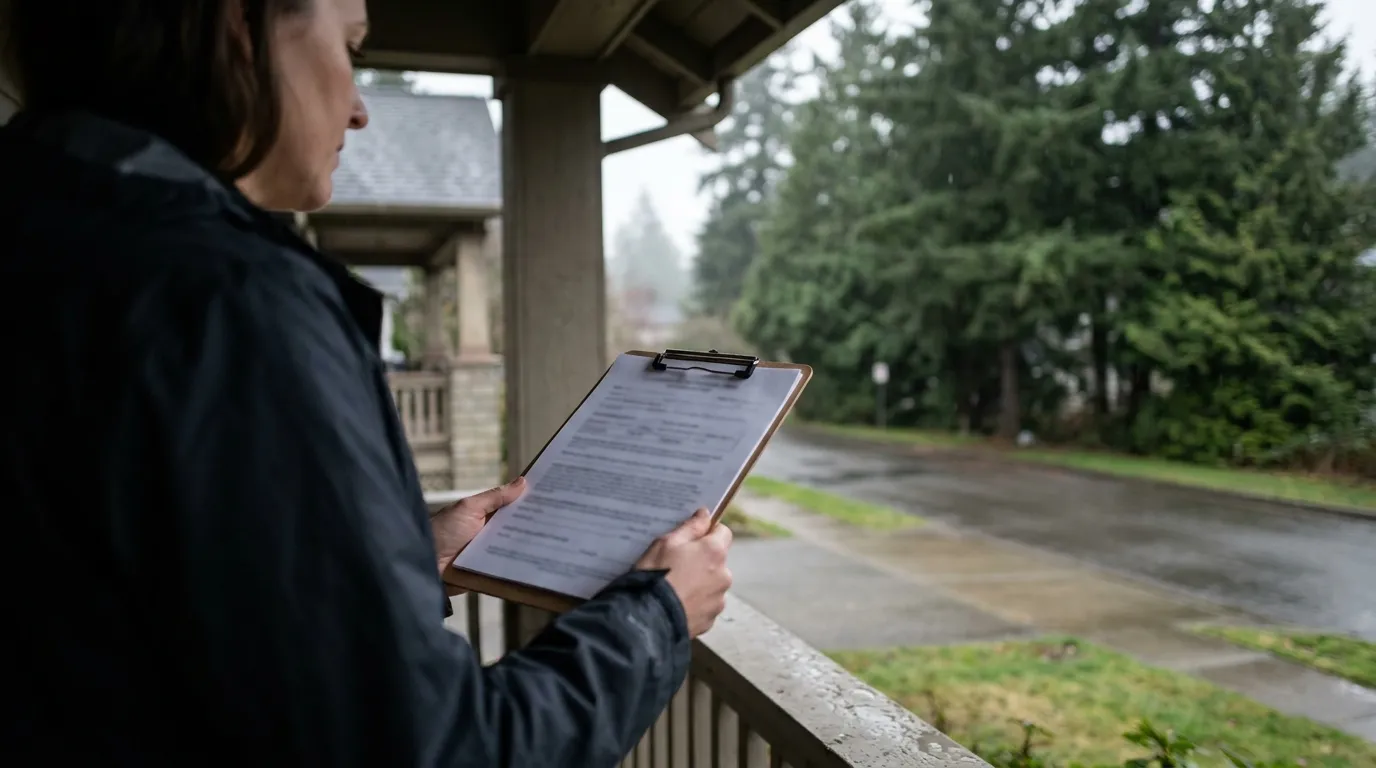
Understanding specific regional hazards—ranging from damp crawlspaces in Western Washington to elevated radon risk in Eastern Washington—is critical for modern real estate practice. Fulfilling your statutory duties under RCW 18.86 requires continuous education on state laws and environmental protocols. Whether you are guiding a first-time homebuyer or preparing a historic listing, maintaining up-to-date knowledge on statutory disclosures ensures compliant transactions. Licensees seeking to renew their credentials can gain deep compliance expertise through our Washington 90-Hour First Renewal Package.

Federal Lead-Based Paint Requirements and Washington Rules
For residential properties constructed prior to 1978, federal law dictates clear, non-negotiable disclosures regarding lead-based paint hazards. Enforced by the U.S. Environmental Protection Agency (EPA) and the Department of Housing and Urban Development (HUD), the Residential Lead-Based Paint Hazard Reduction Act requires sellers and landlords to disclose known lead-based paint hazards and provide buyers with the official federal warning pamphlet.
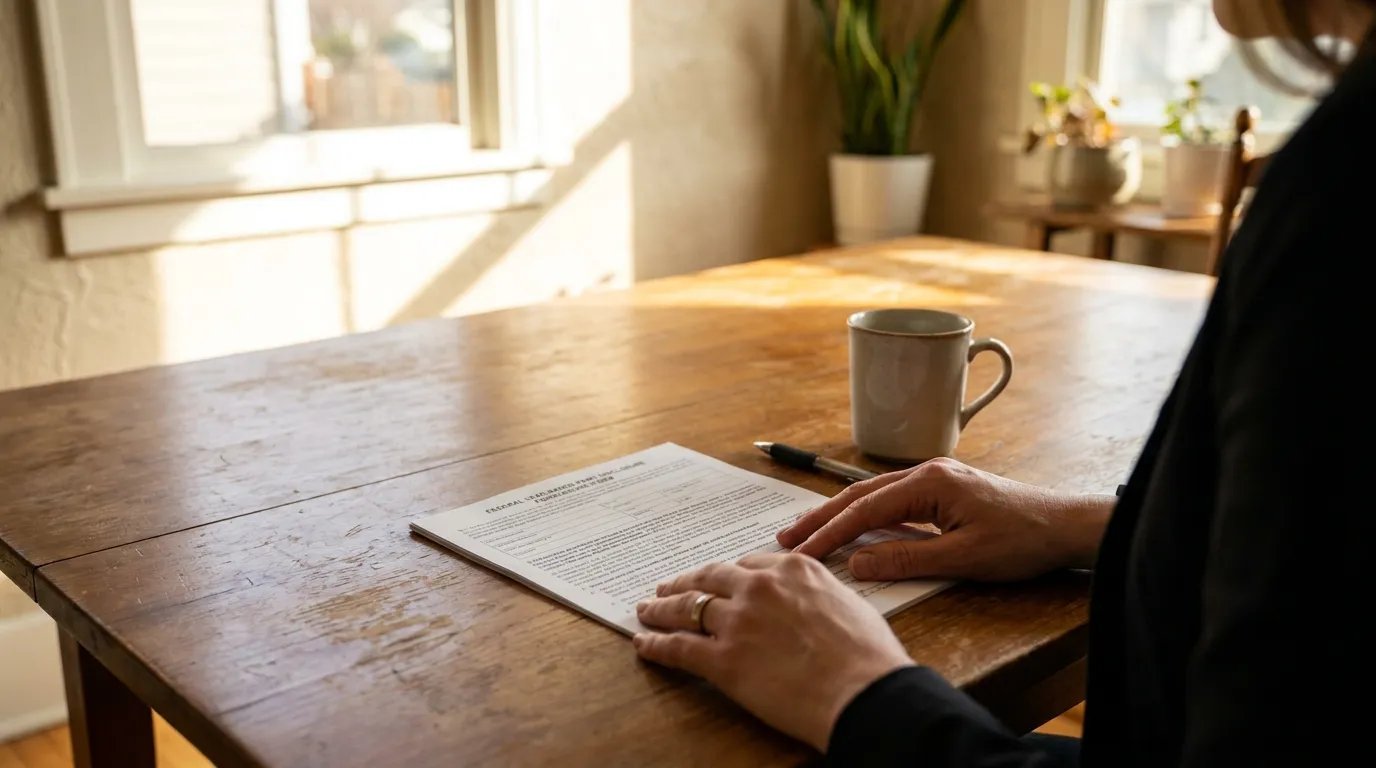
In Washington, real estate brokers must ensure that the lead-based paint disclosure addendum is fully executed before a buyer becomes bound under a purchase contract. Prospective buyers must be granted a 10-day period (or a mutually agreed-upon timeframe) to conduct a paint inspection or risk assessment for lead hazards. Brokers should verify current guidelines and compliance forms directly with the Washington State Department of Licensing.
Asbestos Risks in Older Washington Housing Stock
Asbestos was widely used in construction throughout Washington State until federal bans significantly restricted its application in the late 1970s. Commonly found in pipe insulation, vinyl floor tiles, textured ceiling sprays (popcorn ceilings), and siding, asbestos poses severe health risks when friable materials are disturbed during renovations or repairs.
While sellers are not required to test for asbestos proactively, Form 17 requires full seller disclosure of any known environmental hazards, including asbestos presence or past mitigation efforts. Real estate brokers should advise clients never to disturb suspected materials and to consult certified asbestos abatement contractors when updating older homes.
Radon Zones and Testing in Washington State
Radon is a naturally occurring, radioactive gas released by the decay of uranium in soil and rock. Because it is odorless and colorless, testing is the only method to detect hazardous indoor accumulations. In Washington, radon concentrations vary significantly by region. According to EPA mapping, counties in Eastern Washington—such as Spokane, Clark, and Whitman counties—frequently exhibit higher predicted average indoor radon levels compared to coastal areas.
Brokers representing clients in designated high-risk zones should familiarize themselves with local testing protocols. If radon levels meet or exceed the EPA action level of 4.0 picocuries per liter (pCi/L), installing a active soil depressurization system is standard practice. Including appropriate inspection contingencies allows buyers to test and request remediation prior to closing.
Mold, Moisture, and the Wet-Climate Reality in the Pacific Northwest
The maritime climate of Western Washington creates prolonged damp conditions, making moisture control and mold prevention constant concerns for property owners. Roof leaks, standing water in crawlspaces, inadequate ventilation, and deferred maintenance can rapidly turn minor dampness into extensive mold growth.
Form 17 explicitly asks sellers whether there have been any structural leaks, standing water, or moisture issues. Even if mold has been professionally remediated, sellers must disclose past conditions truthfully. Real estate brokers must avoid rendering technical opinions on mold severity and instead direct clients to qualified indoor air quality professionals or structural inspectors.
Underground Storage Tanks and Legacy Heating Oil Issues
In older residential neighborhoods across Washington, underground storage tanks (USTs) previously used for heating oil present serious environmental liabilities. Leaking tanks can contaminate surrounding soil and groundwater, resulting in expensive cleanups mandated by the Washington Department of Ecology.
When dealing with properties built before central natural gas or electric heating became common, brokers should check for visible signs of legacy systems, such as fill pipes or breather vents in the yard. Disclosure of decommissioned or active heating oil tanks is required. If a tank is unmonitored or abandoned, buyers should be advised to verify soil testing and confirm whether proper decommissioning permits were issued by local authorities.
Frequently Asked Questions About Environmental Disclosures in WA
Is radon testing mandatory during a home sale in Washington?
No, radon testing is not legally mandated by Washington state law during a real estate transaction. However, buyers have the right to request a radon test as part of their contractual home inspection contingency, especially in high-risk zones.
What are a broker's disclosure responsibilities regarding Form 17?
Real estate brokers are responsible for delivering the seller disclosure statement to the buyer, but the form must be completed entirely by the seller. A broker must never fill out Form 17 on behalf of a client, though brokers have a statutory duty to disclose any known material facts that are not stated on the form.
How do I fulfill my initial renewal requirements as a new broker in Washington?
First-time active real estate brokers in Washington must complete specific continuing education coursework, including Advanced Practice and Real Estate Law courses, prior to their first license renewal date as overseen by the Washington Department of Licensing.
Master Washington Disclosures and Protect Your Clients
Properly managing environmental disclosures minimizes professional legal liability and builds trust with your clients. Staying current on statutory disclosure rules, hazard identification, and real estate legal duties is essential for every active licensee in Washington State.
If you are approaching your initial licensing milestone, complete your required education hassle-free with our comprehensive Washington 90-Hour First Renewal Package. GetMeRenewed provides practical, fully approved state courses designed to help you meet DOL requirements and succeed in your practice.