Energy Efficiency, Solar, and Green Features in Washington Real Estate
As sustainability trends and strict energy performance standards reshape the housing market, real estate professionals in Washington are encountering high-tech green features on a daily basis. Buyers are actively seeking properties with reduced carbon footprints, lower monthly utility bills, and modern climate control systems. Consequently, knowing how to navigate energy-efficient features—ranging from rooftop photovoltaic arrays to ductless heat pumps—has become an essential competency for listing brokers and buyer representatives across the state.
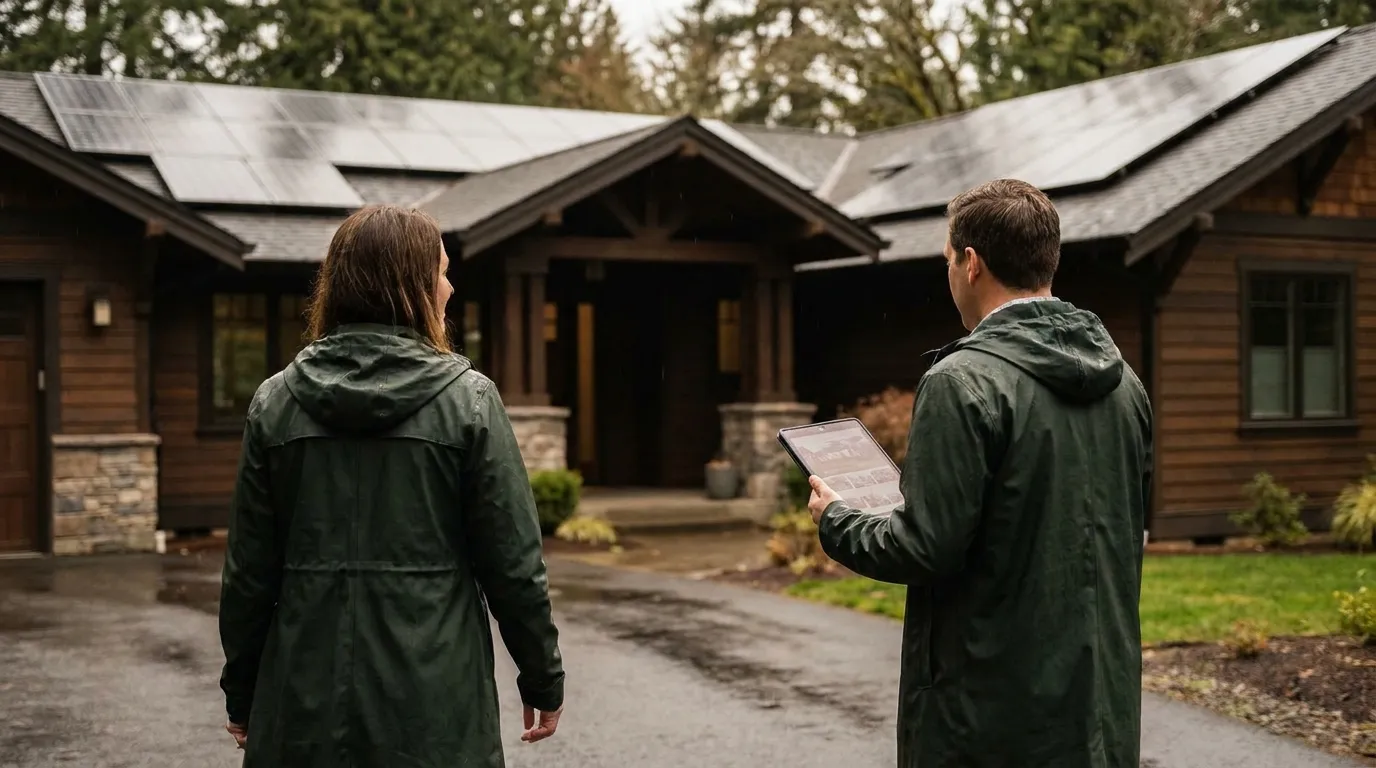
Understanding the nuance of green real estate goes beyond simple marketing catchphrases. Brokers must know how these features alter the transaction process, including contract disclosures, title commitments, equipment lease transfers, and appraiser valuations. Real estate licensees completing their initial renewal cycles can sharpen these specialized skills through structured continuing education. Enrolling in the Washington 90-Hour First Renewal Package ensures you satisfy state-mandated coursework while building practical expertise on topics that impact modern real estate practice.

Leased vs. Owned Solar at Closing
Managing a transaction involving a solar panels home sale in Washington requires immediate verification of whether the photovoltaic equipment is owned outright or encumbered by a lease or power purchase agreement (PPA). Owned solar systems are treated as real property fixtures. They generally pass to the buyer at closing and add clear, tangible value to the estate. Brokers should collect the original installation receipts, warranty documentation, and net-metering agreements with the local utility provider to present a complete picture to prospective buyers.

Leased systems, however, introduce complex personal property liens and third-party contractual obligations. When a solar array is leased or financed via a Uniform Commercial Code (UCC) financing statement, the leasing company retains ownership of the equipment and holds a security interest in the fixtures. During a sale, the buyer must either formally assume the lease—qualifying under the solar company's credit requirements—or the seller must pay off the remaining balance to buy out the contract prior to closing. Failure to address solar panel leases early in the transaction can cause severe title delays, lender underwriter rejections, and sudden closing failures.
Heat Pumps and WA Energy Code Trends
Washington state has positioned itself at the forefront of building energy efficiency. Recent updates to the Washington State Energy Code (WSEC), administered under state building standards, strongly encourage or mandate high-efficiency electric space heating and water heating in new residential construction. Ductless mini-split heat pumps and central air-source heat pumps have rapidly replaced older electric zonal heaters and aging gas furnaces throughout the Pacific Northwest.
For real estate brokers, recognizing heat pump technology provides a distinct advisory advantage. Heat pumps satisfy the growing buyer demand for year-round climate control, offering energy-efficient heating in the winter and highly desired air conditioning during hot summer months. Brokers should familiarize themselves with seasonal energy efficiency ratio (SEER2) ratings, heating seasonal performance factor (HSPF2) metrics, and local utility rebate programs. Accurate guidance on these systems allows licensees to highlight true operating cost advantages and explain energy code compliance to potential buyers.
Green Certifications Buyers Ask About
Homebuyers are increasingly searching for verified, third-party green building certifications that guarantee superior indoor air quality, thermal comfort, and lower environmental impacts. When listing or representing a high-performance property, brokers should recognize the core regional and national certification standards common in Washington:
- Built Green®: A prominent Pacific Northwest regional certification program that rates residential homes from 3-Star to Emerald levels based on energy efficiency, water conservation, indoor air quality, and sustainable materials.
- ENERGY STAR® Certified Homes: A nationally recognized rating backed by the U.S. Environmental Protection Agency (EPA) confirming a home performs significantly better than standard code-built structures.
- LEED for Homes: A rigorous global certification program managed by the U.S. Green Building Council assessing overall site sustainability, water efficiency, and construction materials.
- DOE Zero Energy Ready Home: A rigorous U.S. Department of Energy standard certifying that a home is so energy efficient that a renewable energy system can offset most or all annual energy consumption.
When representing certified properties, licensees should attach official certification documentation to the Multiple Listing Service (MLS) entry. Utilizing designated green features fields in local MLS systems ensures that eco-conscious buyers and specialized appraisers easily identify these valuable home enhancements.
Appraisal Treatment of Efficiency Upgrades
One of the most challenging aspects of closing a high-performance home sale is ensuring the real estate appraisal accurately reflects the capital value of energy-efficient features. Standard comparable market analyses often fail to capture the added monetary value of high-efficiency insulation, heat pump water heaters, triple-pane windows, or solar micro-inverters. If an appraiser compares a certified green home to a standard code-built home without adjusting for energy efficiency, the property risk under-appraising.
To protect your client's transaction, brokers should compile an detailed green feature dossier for the appraiser. Under professional appraisal standards, appraisers may utilize specialized forms like the Appraisal Institute's Residential Green and Energy Efficient Addendum (Form 820.05). Providing completed energy audits, utility bill histories, equipment spec sheets, and official green certificates helps the appraiser apply recognized valuation techniques—such as income capitalization based on annual energy savings—to arrive at a fair and defensible market value.
Disclosure and Transfer Paperwork
Proper documentation safeguards real estate brokers and sellers from post-closing dispute liabilities. Under Revised Code of Washington (RCW) Chapter 64.06, residential property sellers must complete Form 17 (Seller Disclosure Statement). While Form 17 covers general structural, mechanical, and utility conditions, specialized green features require dedicated supplemental paperwork.
When transferring a home with renewable energy systems or efficiency upgrades, ensure the following paperwork is compiled and delivered during the contingency period:
- UCC financing statement payoff demands or lease transfer application packages.
- Local utility net-metering interconnect agreements and billing histories.
- Equipment owner manuals, transferable warranty certificates, and maintenance records.
- Copies of building permits and final inspection sign-offs for solar, electrical, or HVAC installations.
Mastering these operational details protects your clients while building your reputation as a knowledgeable real estate professional. If you are completing your first post-licensure requirements, you can easily secure your mandatory clock hours with the Washington First Renewal program, designed to provide comprehensive regulatory and practical instruction tailored to Washington brokers. For current licensing rules, educational deadlines, and official regulatory guidance, always verify requirements directly with the Washington Department of Licensing.
Frequently Asked Questions
Do leased solar panels transfer automatically to the buyer in Washington?
No. Leased solar panels do not transfer automatically. The buyer must submit a credit application and execute a lease assignment agreement directly with the solar provider, or the seller must pay off the agreement in full prior to closing to clear the title.
Are sellers required to disclose solar panel debt on Washington Form 17?
Yes. Sellers must disclose encumbrances, personal property liens, or financial obligations associated with fixtures attached to the real property, including any recorded UCC financing statements held by a solar provider.
How do heat pumps impact residential energy performance in Washington?
Ductless and central heat pumps significantly lower energy consumption compared to electric resistance heating. They help homes align with the stringent performance standards established by the Washington State Energy Code while offering energy-efficient heating and cooling.
