Appraisal Literacy for WA Listing Brokers: Bridge the Gap Between CMA and Value
For listing brokers across Washington State, few moments in a transaction carry as much weight as the appraisal. You have successfully marketed the home, navigated negotiations, and secured a signed purchase agreement at top dollar. However, if the lender's appraisal falls short of the contract price, the entire transaction can stall or unravel completely. Understanding appraisal basics for real estate agents allows you to proactively protect your seller's equity, communicate effectively with valuation professionals, and navigate low appraisals with confidence.

Developing true appraisal literacy requires looking at a property through the eyes of a licensed appraiser rather than a sales broker. While a Comparative Market Analysis (CMA) focuses heavily on active competition and recent emotional buyer trends, an appraisal is a rigorous, backward-looking valuation bounded by strict federal guidelines, lender requirements, and state regulations. By mastering how appraisers select comparable properties, perform paired-sales adjustments, and comply with evolving fair housing standards, you position yourself as an invaluable advisor to your clients.

How Appraisers Select Comps
Appraisers do not select comparable sales (comps) the same way real estate brokers build a marketing CMA. While brokers often look for homes that reflect the aspirations of current buyers, appraisers must adhere to rigid guidelines set by secondary mortgage market entities like Fannie Mae, Freddie Mac, and the FHA. Understanding these criteria helps listing agents anticipate which closed sales will carry the most weight in the appraisal report.
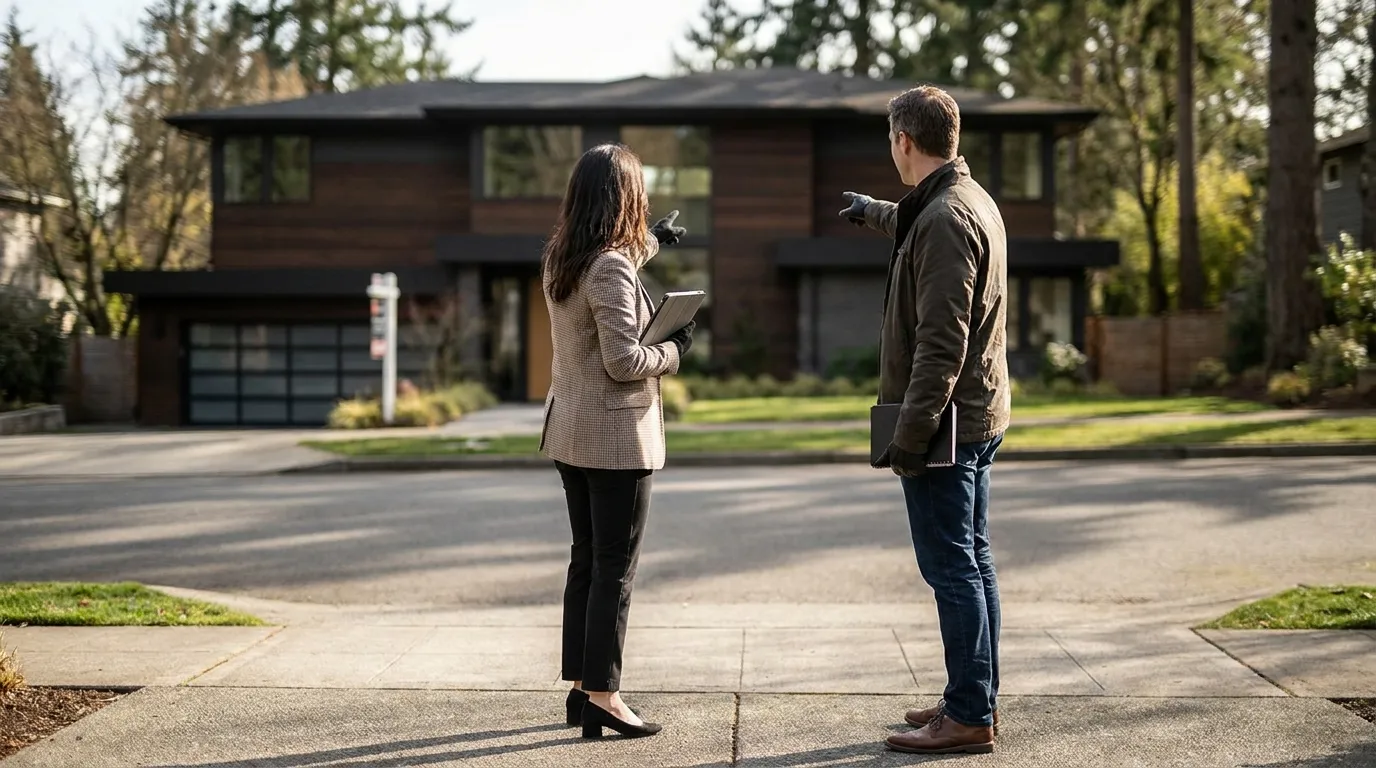
To qualify as a primary comparable, a property must generally meet several strict spatial and temporal benchmarks:
- Proximity: Appraisers search for comps within the immediate neighborhood or market area, typically prioritizing properties within a one-mile radius in suburban Washington locations or tight geographic boundaries in urban areas like Seattle.
- Recency of Sale: Lenders strongly prefer closed sales from the past 90 to 180 days. Sales older than six months are generally used only when recent neighborhood data is scarce.
- Physical Similarity: Appraisers focus heavily on gross living area (GLA), architectural style, room count, site size, and overall property condition ratings (such as C1 through C6 classifications).
- Arm's-Length Transactions: The sale must represent an open-market transaction between unrelated parties without undue distress or non-market concessions.
What You Can Legally Provide to an Appraiser
Many listing agents worry that speaking to an appraiser or handing them market research violates appraiser independence rules established under the Dodd-Frank Act and the Appraiser Independence Requirements (AIR). This is a common misconception. Federal regulations explicitly permit real estate brokers to communicate with appraisers and provide factual property data, provided there is no coercion, intimidation, or pressure to reach a target value.
When meeting the appraiser at the property, presenting a well-organized appraiser package can set a professional tone and ensure critical property features are not overlooked. You can legally provide the following materials:
- Comprehensive Property Feature Sheet: Highlight hidden upgrades, high-efficiency mechanical systems, roof replacement dates, and permitted renovations that may not be obvious during a visual walk-through.
- Contract and Multiple Offer Summary: Provide a copy of the fully executed purchase agreement along with a anonymized summary of competing offers to demonstrate true market demand.
- Selected Comparable Sales: Share 3 to 5 closed sales that you relied on when pricing the home, along with narrative notes explaining why specific non-conforming comps in the MLS were excluded or included.
- HOA and Plat Information: Include details regarding association dues, included amenities, covenants, and relevant property boundary surveys.
Reconsideration of Value Requests That Work
When an appraisal comes in below the contract purchase price, sending an angry email or disputing the appraiser's competence is rarely effective. Instead, brokers must follow a structured, evidence-based process known as a Reconsideration of Value (ROV). A successful ROV provides new, verifiable factual data that directly impacts the final opinion of value.
To construct a compelling ROV, focus on actionable errors or oversights rather than subjective opinions. Gather better closed comps that closed prior to the effective date of the appraisal but were omitted from the report. Identify factual errors in the appraiser's report, such as incorrect square footage, miscounted bedrooms, or overlooked finished basement space. You can also point out verified market trends, such as rapid local appreciation supported by paired-sales data, that justify a positive time adjustment. Presenting this information in a polite, professional format allows the lender's underwriting team to present the case back to the appraiser cleanly.
Adjustments and Why Your CMA Differs
A frequent source of confusion for real estate agents is why an appraiser's adjusted values differ dramatically from a price-per-square-foot CMA calculation. Brokers frequently use average price per square foot across a broad neighborhood to estimate value. In contrast, appraisers use paired-sales analysis to determine specific dollar adjustments for individual property characteristics.
In a paired-sales analysis, an appraiser compares two nearly identical properties where one key feature differs—such as a three-car garage versus a two-car garage or an updated kitchen versus an original kitchen. The difference in sale price isolates the reaction of the market to that specific feature. Additionally, appraisers separate the land value from the improvements and apply adjustments only to the gross living area (GLA), rather than multiplying total home features by a flat rate. Understanding this distinction prevents brokers from overestimating the direct value impact of cosmetic upgrades.
Bias in Appraisal: The Current Rules
Eliminating bias in residential property valuation is a central focus for federal regulators, fair housing advocates, and state licensing boards. Both the Uniform Standards of Professional Appraisal Practice (USPAP) and federal Fair Housing laws strictly prohibit appraisers from considering protected characteristics—including race, color, religion, sex, handicap, familial status, national origin, or neighborhood demographic makeup—when determining property values.
Listing brokers play a critical role in supporting unbiased appraisals. Avoid using subjective, non-standard terms in MLS descriptions or listing remarks that reference demographics, cultural characteristics, or historical neighborhood shifts. When reviewing an appraisal report during an ROV, carefully inspect the narrative sections to ensure the language remains strictly objective and focused exclusively on real estate characteristics, physical condition, and verifiable economic trends.
Frequently Asked Questions
Can a real estate agent talk directly to an appraiser during the inspection?
Yes. Real estate agents are legally permitted to meet the appraiser at the property, answer questions, provide factual information about the home, and share relevant market comps. However, agents must never attempt to intimidate, threaten, or coerce the appraiser into achieving a specific target value.
What is the main difference between a CMA and an appraisal?
A CMA is an informal opinion of value prepared by a licensed real estate broker to assist buyers or sellers with pricing strategy. An appraisal is a formal, independent opinion of value prepared by a licensed or certified appraiser following strict national standards (USPAP) for lending or legal purposes.
What should I do first if an appraisal comes in low in Washington State?
First, obtain a full copy of the appraisal report from the buyer's lender via the buyer's agent. Review the document carefully for factual errors regarding property features or square footage. If valid, superior comp sales were missed, prepare a formal Reconsideration of Value (ROV) package with clear, professional documentation.
Master Your Washington Real Estate Renewal Requirements
Building expertise in appraisal literacy is just one part of maintaining a thriving, compliant real estate practice. If you are preparing for your upcoming license renewal in Washington, ensuring you meet all state-mandated education standards on time is essential for keeping your license active and avoiding costly delays.
Per the Washington Department of Licensing (DOL), first-time real estate brokers renewing their license must complete a mandatory 90 clock hours of approved continuing education, which includes specific core curriculum courses along with elective topics. Licensees are encouraged to verify their specific education history and expiration dates directly on the official state regulator website at dol.wa.gov.
To fulfill your requirements efficiently with high-quality, state-approved instruction, enroll today in our comprehensive Washington 90-Hour First Renewal Package. If you are completing a subsequent renewal cycle, we also offer the tailored Washington Continuing Education Renewal Package to satisfy your ongoing clock hours seamlessly.