Short Sales and Foreclosure Basics for Ohio Agents
Navigating distressed real estate transactions can intimidate even seasoned professionals. When a buyer approaches you about a short sale property in suburban Cincinnati, or a homeowner facing default in Cleveland asks for help listing their home, do you know the precise regulatory and legal steps required under state law? Mastering ohio short sale foreclosure basics is not just about avoiding legal pitfalls—it is a vital skill for guiding clients safely through complex financial distress.
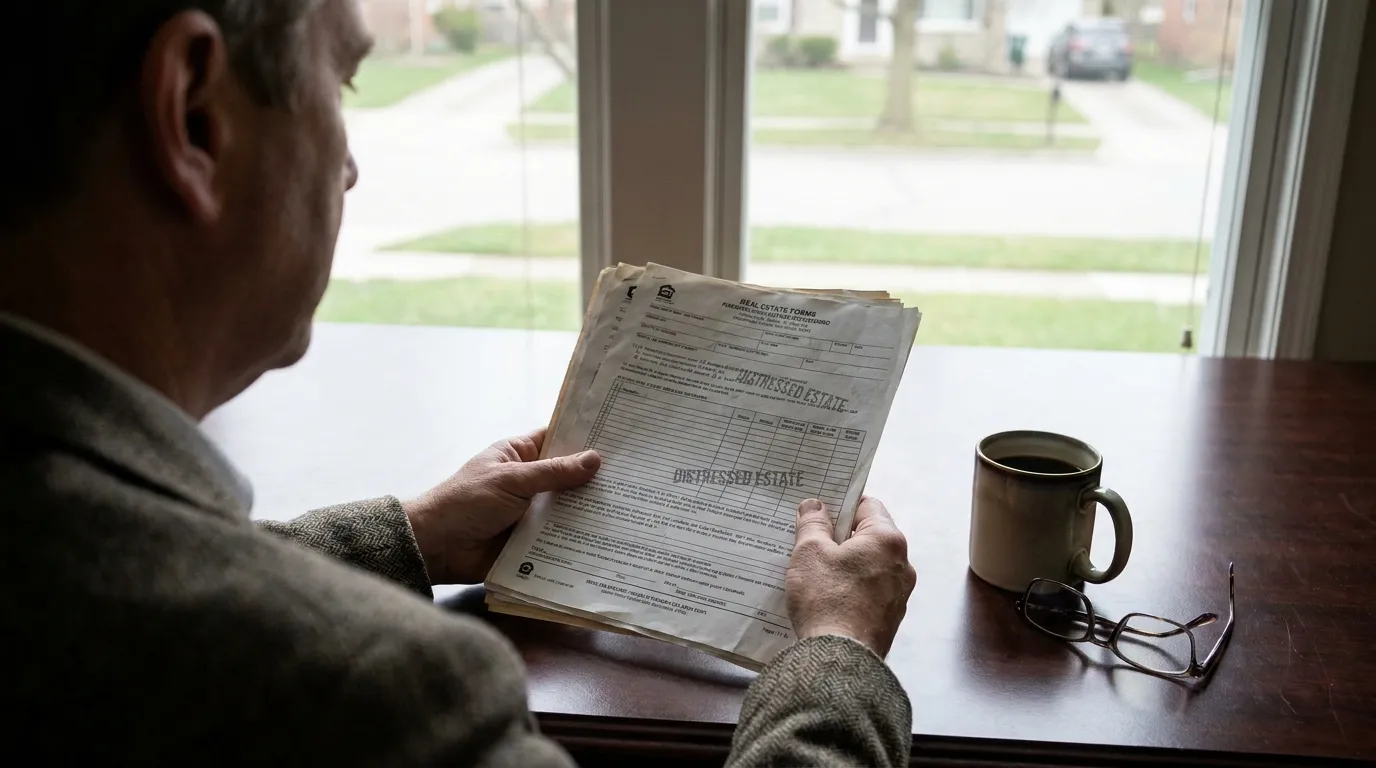
Many licensees find themselves searching for clear answers when renewal deadlines approach. This guide breaks down how handling short sales and foreclosures intersects with your statutory duties, how judicial foreclosure functions across the state, and where this topic fits within your mandatory continuing education cycle. Enrolling in a comprehensive Ohio 30-Hour Real Estate CE Package helps clear up confusion while seamlessly satisfying your license renewal requirements.

What This Course Actually Covers
A common misconception among agents is that a short sale is simply a standard real estate transaction that takes a little longer to close. In reality, a short sale involves negotiating a debt forgiveness agreement with third-party lienholders who have no legal obligation to accept less than what is owed. Without explicit lender approval, the transaction cannot proceed, regardless of what the buyer and seller execute in the purchase contract.
The subject material translates complex legal definitions into actionable, real-world rules. Under the Ohio Revised Code (ORC) Title 23, foreclosures operate strictly under a judicial process. Unlike states that utilize deeds of trust and non-judicial foreclosure, Ohio requires lenders to file a lawsuit in the local County Court of Common Pleas to enforce a mortgage lien. Understanding this legal pathway enables licensees to set realistic timelines for buyers and seller clients facing pre-foreclosure.
Consider an agent in Akron helping a seller three months behind on mortgage payments. The seller assumes they can sign a deed in lieu of foreclosure overnight. By knowing Ohio judicial timeline nuances, the agent properly advises the client to consult qualified legal counsel while navigating short sale negotiations with the servicer, protecting the client from immediate judicial judgment errors.
Why the State Requires It
The Ohio Division of Real Estate and Professional Licensing mandates continuing education to ensure licensees maintain high ethical standards and technical competence when handling complex property transactions. Real estate licensees must complete 30 hours of approved continuing education every three years by their birthday to maintain an active license.
- Judicial Process Awareness: Understanding statutory redemption rights and sheriff sale procedures under ORC Chapter 2329.
- Consumer Protection: Preventing fraud, unauthorized practice of law, and unethical fee structures during distress sales.
- Fiduciary Duties: Maintaining duty of care and disclosure when dealing with distressed sellers and financial institutions.
- Mandatory Core Alignment: Fulfilling elective credit hours while supporting mandatory topics like Civil Rights, Ethics, and Core Law.
By integrating distress property knowledge into your overall broad elective credits, you elevate your professionalism while steadily accumulating the required hours for your three-year renewal cycle. To verify your current license status or specific requirement details, you should always consult the official regulatory website at the Ohio Division of Real Estate and Professional Licensing.
How It Plays Out in Real Transactions
In actual day-to-day real estate practice, working with distressed properties demands clear distinctions between simple online administrative tasks and lengthy, multi-step negotiations. Knowing the difference keeps transactions on track and preserves client trust.
Checking county public records for tax liens or verifying pending Lis Pendens filings can often take five minutes online through county auditor websites. However, assembling a complete short sale package—including hardship letters, financial statements, bank records, and tax returns—demands weeks of diligence. Obtaining final lender approval letters and managing payoff verification requires persistent, structured follow-up.
Completing your coursework through GetMeRenewed eliminates confusion by providing structured frameworks for these scenarios. You won't have to guess what documents are required by mortgage servicers or how listing disclosures should be written. For edge-case scenarios—such as dealing with multiple junior lienholders or handling short sales involving bankruptcy filings—the training outlines exact boundary lines so you know precisely when to refer clients to specialized legal or financial professionals.
Where It Fits in Your 30 Hours
Staying ahead of license renewal requires planning. A pro-level tip for active Ohio real estate professionals is to complete continuing education in dedicated blocks well in advance of your birthdate, rather than scrambling during the final week.
Your total 30-hour requirement consists of specific mandatory core topics—including 3 hours of Ohio Real Estate Law, 3 hours of Ethics, 3 hours of Civil Rights, and 1 hour of Real Estate Core Health and Safety—alongside 20 hours of approved electives. Specialized elective study in topics like short sales and foreclosures fills those elective hours with high-value, practical practical knowledge you can use immediately in the field.
Taking action early prevents license lapse and eliminates stressful emergency study sessions. Streamline your license maintenance by signing up for an all-in-one education bundle designed specifically for your state renewal.
How GetMeRenewed Helps
GetMeRenewed provides fully state-approved, self-paced online courses designed specifically for busy real estate licensees. Whether you need elective coverage on distressed properties or complete core requirements, our platform delivers an intuitive learning experience tailored to your schedule.
- 100% Online & Self-Paced: Access your coursework anytime, anywhere, from desktop, tablet, or smartphone.
- State-Approved Curriculum: All courses are vetted to ensure full compliance with Ohio requirements.
- Fast Certificate Issuance: Receive instant access to completion certificates as soon as you finish your modules.
- Automated State Reporting: Streamlined processing to keep your educational compliance up to date.
Ready to complete your CE effortlessly? Explore our Ohio Real Estate CE Packages and start your coursework today without stress.
Frequently Asked Questions
What is the main difference between a short sale and a foreclosure in Ohio?
A short sale is a voluntary real estate transaction where the property is sold for less than the remaining mortgage balance, subject to lender approval. A foreclosure is a legal process where the lender seeks a judicial order through the court to sell the property at a sheriff sale to satisfy the unpaid debt.
Is judicial foreclosure required for all Ohio residential properties?
Yes, Ohio is a judicial foreclosure state. Lenders must file a formal lawsuit in the County Court of Common Pleas where the property is located to execute a foreclosure sale.
How do short sale electives count toward my 30-hour CE requirement?
Topics covering distress properties count toward your 20 hours of state-approved elective continuing education credits, perfectly complementing your required core legal and ethics courses.
How far in advance of my birthday should I finish my Ohio CE hours?
It is recommended to complete all 30 hours at least 30 days prior to your birthdate deadline to allow seamless completion reporting and processing with the state licensing division.
Conclusion
Understanding short sales and foreclosure fundamentals protects your clients, shields your practice from liability, and enhances your marketability in shifting economic environments. Mastering these principles transforms complex legal requirements into a distinct competitive advantage for your real estate business.
Do not wait until your birthdate renewal deadline is right around the corner. Ready to finish your Ohio 30-hour CE requirement? Sign up at https://gsd.getmerenewed.com/ohio/signup today and complete your continuing education quickly and comfortably online.