Navigating Manufactured and Mobile Home Transactions in Ohio: A Guide for Licensees
Have you ever had a seller ask you to list a modern manufactured house in Ohio, only to discover halfway through the transaction that the home is legally registered as personal property with a motor vehicle title? This scenario leaves many real estate professionals unsure how to proceed. Navigating title conversions, county auditor requirements, and local zoning laws for manufactured structures requires specific expertise to protect your clients and ensure compliant transactions.
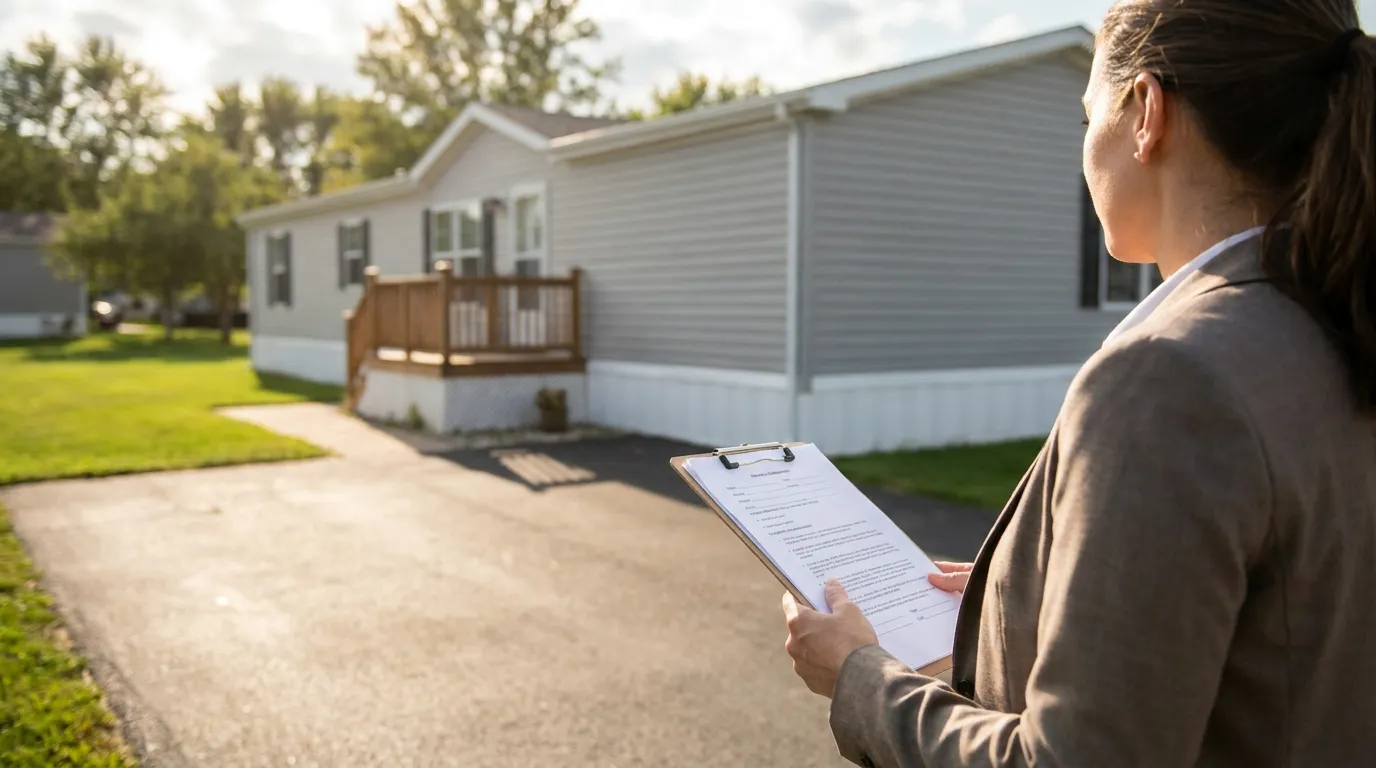
Understanding manufactured and mobile home transactions in Ohio is essential for maintaining your license standard and fulfilling your state-mandated continuing education hours. In this guide, we will break down the essential steps for handling personal vs. real property titles, explore state regulator requirements, and demonstrate how reviewing these legal nuances fits directly into your required 30-hour renewal cycle.

What This Course Actually Covers
A frequent misconception among real estate agents is that any manufactured home attached to a permanent foundation automatically becomes real property. Under Ohio law, foundation attachment alone does not alter the legal classification of the structure. Until the certificate of title is formally surrendered to the county clerk of courts and the property is entered onto the county auditor's real property tax duplicate, the home remains personal property governed by personal property law.
The legal framework for these transactions is detailed under the Ohio Revised Code (ORC), specifically Chapter 4505 regarding motor vehicle titles and Chapter 4503 concerning manufactured home taxes. To simplify these statutory requirements for daily practice, agents must evaluate three core elements:
- Title Status: Verifying whether an active Certificate of Title exists or if it has been surrendered.
- Tax Classification: Determining if the home is taxed under the manufactured home tax rate or as real property.
- Land Ownership: Confirming whether the structure rests on land owned by the home owner or on a leased lot within a manufactured home community.
Consider an agent in central Ohio who listed a double-wide home assuming it was standard real estate. Because the title had never been surrendered to the clerk of courts, the deed transfer stalled on the day of closing, requiring emergency filings to convert the title. Completing targeted Ohio 30-Hour Real Estate CE Package courses ensures you can spot these procedural issues early and keep your closings on schedule.
Why the State Requires It
The Ohio Division of Real Estate and Professional Licensing mandates specific standards of competence for real estate licensees handling specialized property transactions. Because misclassifying personal property can lead to severe boundary, tax, and conveyance disputes, understanding these transactions is critical to protecting the public.
| Transaction Aspect | Personal Property (Mobile/Manufactured) | Real Property Conversion |
|---|---|---|
| Primary Document | Certificate of Title (Clerk of Courts) | Deed (County Recorder) |
| Taxing Authority | Manufactured Home Tax (County Treasurer) | Real Property Tax (County Auditor) |
| Transfer Process | Title Assignment / Bill of Sale | Deed Recording / Tax Transfer |
Addressing these property nuances ties directly into your overall triennial standard. Licensees must complete 30 hours of approved continuing education every three years by their birthday. For detailed regulation guidelines and current rule updates, licensees can verify requirements directly with the Ohio Division of Real Estate and Professional Licensing.
How It Plays Out in Real Transactions
In practice, handling manufactured home transactions efficiently comes down to understanding which steps are routine administrative tasks and which require additional coordination. Converting personal property to real property involves a clear sequence of actions:
- Five-Minute Online Steps: Searching county auditor property records online to check current parcel mapping and land ownership details.
- Extended Procedural Steps: Obtaining lien releases from existing lenders, submitting physical title cancellation applications to the Clerk of Courts, and securing auditor approval to update the tax duplicate.
By completing proper Ohio real estate CE online, agents learn how to audit property files upfront, preventing common closing delays before contracts are executed.
Edge-Case Scenario: What if the land is leased?
If the home sits on a leased plot inside a manufactured home community, the transaction involves transferring personal property alongside an assignment or approval of the site lease. The real estate deed covers only real property, so standard real estate purchase contracts must be adjusted to correctly address personal property terms.
Edge-Case Scenario: What if the original title is missing?
When a seller cannot locate the physical Certificate of Title for an un-converted home, a duplicate title must be requested through the county clerk of courts before the conveyance can legally proceed. Identifying missing documentation early saves weeks of delays.
Where It Fits in Your 30 Hours
Staying ahead in real estate requires treating professional development as an ongoing strategy rather than a last-minute chore. A practical pro tip for active agents: perform a preliminary title and tax check on every manufactured structure during your initial listing presentation.
As you plan your professional development, weave specialized transaction topics into your total requirement. Ohio real estate licensees are required to complete 30 hours of continuing education every three years, which must include approved core courses in Civil Rights, Ethics, and Ohio Canons of Law, alongside elective topics that sharpen your day-to-day market skills.
How GetMeRenewed Helps
GetMeRenewed provides state-approved, self-paced online courses designed specifically for busy Ohio real estate professionals. Our complete 30-hour course options cover essential legal updates, real-world property transaction mechanics, and mandatory core subjects in a flexible online format.
With GetMeRenewed, you benefit from simple online navigation, rapid completion certificate processing, and reliable state reporting to keep your license compliant without disrupting your business workflow.
Frequently Asked Questions
Can an Ohio real estate agent sell a mobile home without a land parcel?
When a manufactured or mobile home is personal property (not converted to real property) and not tied to land, its sale may fall under specific personal property regulations. Licensees should verify current licensing scope rules with the Ohio Division of Real Estate before listing unattached personal property structures.
What is required to convert a manufactured home to real estate in Ohio?
To convert a manufactured home to real property under ORC 4505.11, the structural foundation must meet local building standards, all taxes and liens must be satisfied, and the Certificate of Title must be formally surrendered to the clerk of courts for real property tax placement.
How often do Ohio real estate agents need to complete CE?
Ohio real estate professionals must complete 30 hours of approved continuing education every three years, due on or before the licensee's birthday. Fulfilling your requirement early ensures your license remains active without interruption.
Conclusion
The single most important lesson when handling manufactured and mobile home transactions in Ohio is verifying property classification prior to writing an offer or taking a listing. Knowing whether you are dealing with personal property or converted real estate protects your clients and ensures seamless closings.
Ready to finish your Ohio 30-hour CE requirement? Keep your license active and up to date by visiting GetMeRenewed today.