Agency Duties When Your Client Is a Family Member
In the New Jersey real estate market, representing a family member in a transaction is a common scenario. Whether you are helping your parents downsize to a townhouse in Cherry Hill, assisting a sibling with buying their first home in Jersey City, or helping a cousin sell a property in Monmouth County, these transactions carry unique emotional and financial weight. While it is natural to want to help those closest to you, these transactions also introduce significant legal, ethical, and regulatory complexities that every licensee must navigate carefully.
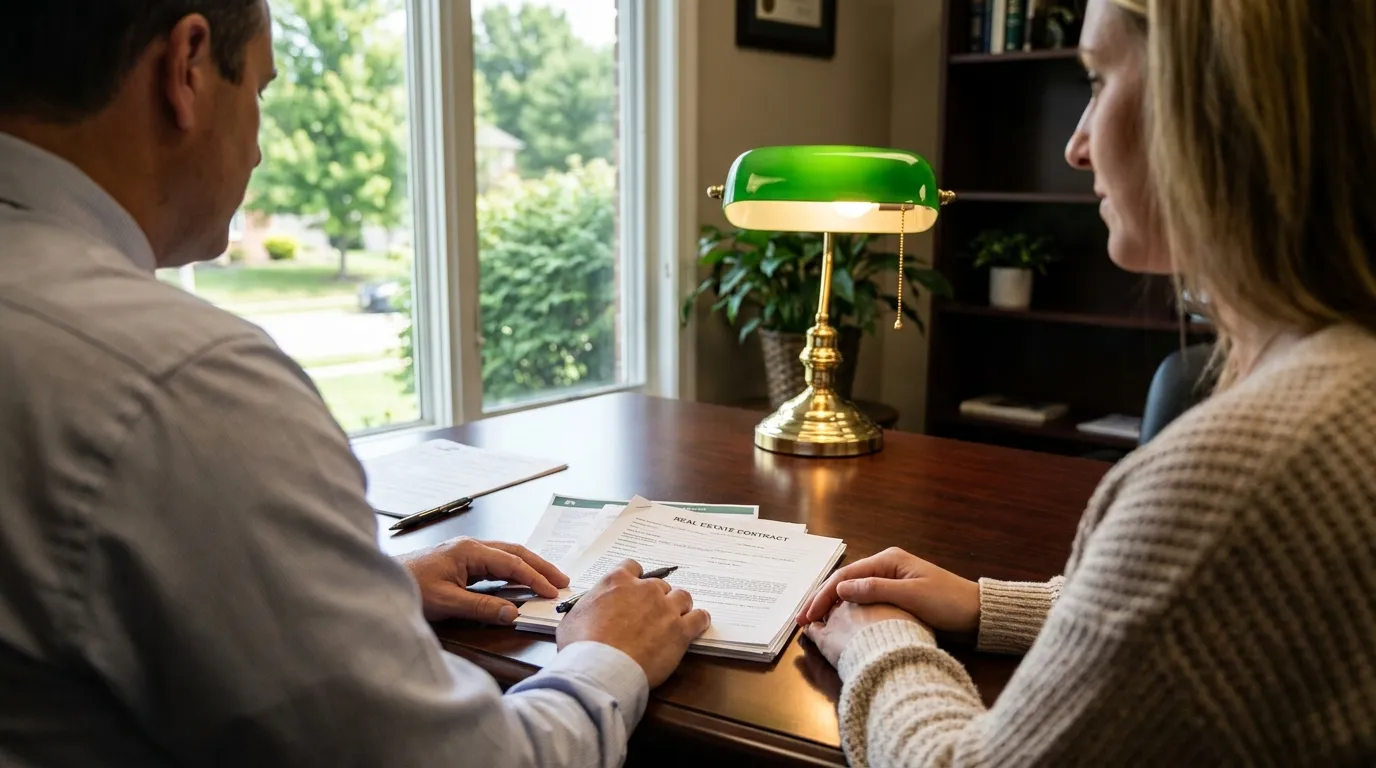
Under New Jersey real estate license law and the National Association of REALTORS® (NAR) Code of Ethics, your fiduciary duties do not change because the client is a relative. In fact, the scrutiny on your actions increases dramatically. Failing to handle these transactions with strict adherence to state regulations can lead to ethics complaints, lawsuits, and disciplinary action from the New Jersey Real Estate Commission. Understanding how to manage these relationships is essential for protecting your license, your brokerage, and your family.

Disclosure of the Relationship
The most critical legal requirement when representing family member real estate nj transactions is immediate and conspicuous disclosure. Under New Jersey administrative code and general agency law, licensees must disclose any personal interest they have in a transaction. This includes representing immediate family members, such as spouses, parents, children, or siblings, as well as any business entity in which the agent has an ownership stake.
This disclosure must be made in writing to all parties involved in the transaction before any agreements are signed. For example, if you are representing your sister in the purchase of a home, the seller and the seller's agent must be formally notified of your relationship in writing. This transparency ensures that the other party is fully aware of any potential bias or conflict of interest, protecting the integrity of the negotiation process. Failure to disclose this relationship is a direct violation of licensing regulations and can result in severe penalties, including license suspension or revocation.
Where Objectivity Fails
Fiduciary duties require real estate agents to provide undivided loyalty, confidentiality, and, crucially, reasonable care and objective advice. When your client is a family member, maintaining professional objectivity becomes incredibly challenging. Emotional attachment to your relative's financial success or personal happiness can cloud your professional judgment, leading to decisions you would never make for a typical client.
For instance, you might find yourself overlooking material defects in a property because your relative is desperate to win a bidding war, or you might advise them to overpay just to secure the home. Conversely, during negotiations, your personal protective instincts might cause you to become overly adversarial with the other party, potentially tanking a deal that was actually in your relative's best interest. Recognizing the limits of your own objectivity is the first step in maintaining your professional standards during these transactions.
Firm Policy Considerations
Before agreeing to represent a relative, you must consult your employing broker and review your firm's written policy manual. Many New Jersey real estate brokerages have strict internal guidelines regarding familial transactions. Because these deals carry a higher risk of litigation and errors and omissions (E&O) insurance claims, some brokers place specific limitations on them.
Your firm's policy may require that another agent in the office co-list or co-represent the family member, or they may require the managing broker to review and sign off on all transaction documents. Additionally, some E&O insurance policies do not cover transactions where the agent has a personal or familial interest unless specific riders are in place or strict guidelines are met. Operating outside of your broker's established policies can leave you personally liable if a legal dispute arises.
Compensation Questions
Handling compensation is another area where representing a family member can complicate a transaction. It is common for agents to want to discount their commission, credit their commission to the family member's closing costs, or waive their fee entirely to help their relative save money. However, in New Jersey, all compensation must flow directly through your employing broker.
You cannot accept or modify commission structures without your broker's explicit written consent. If you plan to credit a portion of your commission to your relative at closing, this must be documented properly on the closing disclosure (CD) and approved by the lender. Unapproved commission rebates or off-the-book financial arrangements can violate both state licensing laws and federal lending regulations, such as the Real Estate Settlement Procedures Act (RESPA).
When to Refer Out
Sometimes, the best way to protect your family member and your professional reputation is to refer the transaction to a trusted colleague. If the transaction involves highly complex negotiations, a niche market you are unfamiliar with, or intense family dynamics that threaten your objectivity, referring the client out is a highly professional decision.
By referring your relative to another qualified New Jersey licensee, you can still ensure they receive excellent representation while stepping back into a purely supportive, non-fiduciary role. You can also negotiate a standard referral fee through your broker, allowing you to benefit financially from the transaction without taking on the legal liability and emotional stress of direct representation. To ensure you are fully versed in agency law and disclosure requirements, consider enrolling in our New Jersey 12-Hour CE Package to keep your license active and compliant.
Frequently Asked Questions
Do I have to disclose if I am buying a property for myself in New Jersey?
Yes. Under New Jersey Real Estate Commission rules, you must disclose your status as a licensed real estate professional in writing to all parties in the transaction whenever you are buying or selling property on your own behalf. This disclosure must appear clearly in the contract of sale.
Can I rebate my commission to a family member in New Jersey?
New Jersey law allows real estate brokerages to provide commission rebates to buyers under very specific legal conditions. The rebate must be offered by the broker, not the individual salesperson, and must comply with all state disclosure and tax reporting requirements. It is critical to consult your broker and review the official guidelines on the New Jersey Real Estate Commission website before promising any rebate.
How many CE hours do I need to renew my New Jersey real estate license?
Per the New Jersey Real Estate Commission, active licensees must complete 12 hours of continuing education every two years. This must include at least 2 hours of Ethics, 6 hours of Core topics (which covers agency and disclosure), and the remaining hours in elective or core courses. For official verification of current rules and deadlines, please visit the New Jersey Department of Banking and Insurance website.