The Duty to Ascertain and Disclose Property Condition in New Jersey
Under New Jersey law, real estate professionals bear a significant legal responsibility regarding property condition. Governed by N.J.A.C. 11:5-6.4, the obligation to inspect, inquire, and disclose physical defects goes far beyond simple seller representations. Real estate salespersons, broker-salespersons, and brokers must take proactive steps to ascertain material facts about a property before offering it for sale or lease.
Understanding this rule is essential not only for avoiding administrative sanctions from the New Jersey Real Estate Commission (NJREC) but also for fulfilling statutory professional ethics obligations. Licensees seeking to fulfill their mandatory continuing education requirements can stay ahead of statutory liability by taking specialized training, such as our New Jersey Real Estate CE Ethics Package, which directly addresses licensee disclosure duties and administrative compliance.

The Affirmative Duty Under N.J.A.C. 11:5-6.4
N.J.A.C. 11:5-6.4 clearly establishes that every New Jersey licensee has an affirmative legal duty to make reasonable efforts to ascertain all material physical information concerning a property. This mandate applies to any property for which the broker accepts an agency agreement or rental listing. The rule does not permit licensees to sit back passively and rely solely on the statements provided by the property owner.
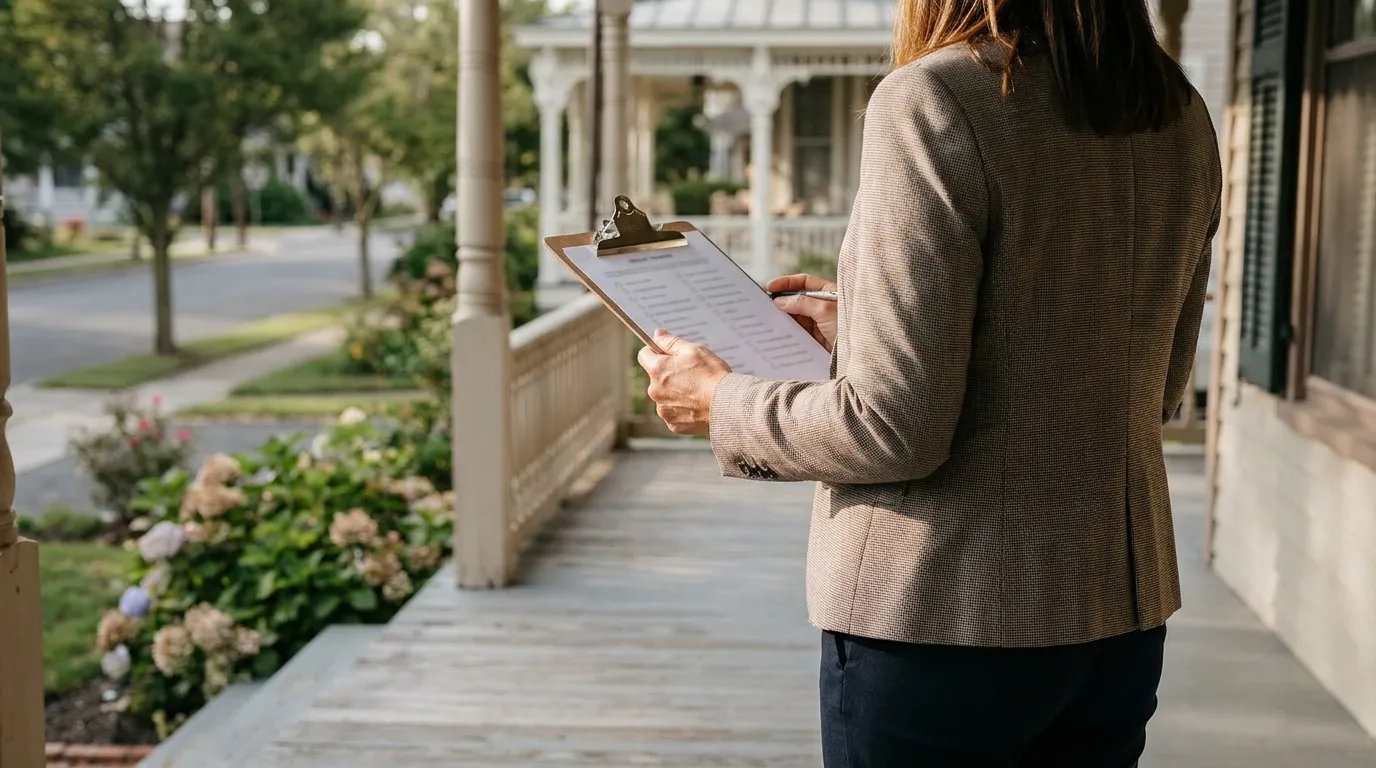
Instead, the administrative code requires licensees to perform a visual inspection of the property, inquire directly with the seller or landlord regarding known physical issues, and disclose all material defects to all prospective parties involved in the transaction. A material defect is generally defined as any physical condition that could substantially affect the value, desirability, or structural integrity of the property, or pose an unreasonable risk to health and safety.
Reasonable Efforts to Ascertain: What It Means in Practice
A common question among real estate licensees is what constitutes "reasonable efforts" under state regulations. While licensees are not expected to act as licensed structural engineers or home inspectors, they are expected to conduct a competent visual walkthrough and make detailed factual inquiries.
- Visual Walkthrough: Performing a thorough physical visual walkthrough of accessible areas, including basements, attics, crawlspaces, and exterior foundation walls.
- Targeted Seller Inquiries: Asking explicit, specific questions regarding roof leaks, underground storage tanks (USTs), past flooding, drainage issues, radon testing, and unpermitted construction work.
- Reviewing Municipal and Public Records: Checking local property tax maps, municipal zoning determinations, or historic flood plain maps when red flags appear during a listing presentation.
- Documenting the Investigation: Maintaining written records of all questions asked, seller responses, and observed conditions within the transaction file.
If a visual walkthrough reveals evidence of past water staining on a basement wall, the licensee cannot ignore it simply because the seller states the issue was fixed. The standard of reasonable care dictates that the licensee inquire further and obtain written confirmation or repair invoices to substantiate the claim.
How New Jersey Differs From Passive Disclosure States
Many real estate jurisdictions follow a traditional "caveat emptor" (buyer beware) approach or permit licensees to rely strictly on a seller's written disclosure form. New Jersey, however, is recognized as an active disclosure state. Under state precedent and NJREC regulations, the licensee's duty operates independently of the seller's obligations.
Even if a seller insists on selling a property "as-is" or refuses to complete a formal seller property condition disclosure statement, the licensee remains fully bound by N.J.A.C. 11:5-6.4. Licensees cannot use an "as-is" clause in a contract of sale as a shield against their personal obligation to investigate visible red flags and disclose known material defects to prospective buyers.
Where Real Estate Licensees Get Cited by the Real Estate Commission
Violations of N.J.A.C. 11:5-6.4 represent one of the most common grounds for disciplinary action, fines, and license suspension by the New Jersey Real Estate Commission. Administrative enforcement actions typically center around predictable problem areas:
- Underground Oil Storage Tanks (USTs): Failing to inquire about decommissioned or active underground fuel tanks when visual markers like fill pipes or vent pipes are present.
- Water Intrusion and Mold: Failing to report known basement seepage, roof leaks, or visible water staining observed during the pre-listing inspection.
- Unpermitted Work: Marketing finished basements, converted garages, or added bedrooms without verifying if necessary municipal building permits and certificates of occupancy were issued.
- Environmental Hazards: Disregarding environmental history such as radon test results or nearby toxic site designations.
When the Commission finds that a licensee failed to exercise reasonable diligence, penalties can range from mandatory educational sanctions and monetary fines to suspension or revocation of the real estate license.
A Practical Pre-Listing Inquiry Checklist
To establish a consistent, defensible standard of practice, real estate agents should utilize a standardized inquiry protocol for every new listing. Incorporate these key assessment points prior to placing any property on the Multiple Listing Service (MLS):
- Roof and Attic: Ask about the age of the roof cover, existing warranties, and look for visible interior ceiling discoloration.
- Foundation and Water: Inspect basement perimeter walls for efflorescence, water staining, sump pumps, or damp odors.
- Environmental Factors: Check for fill/vent pipes indicating current or former underground oil tanks, and request copies of any prior radon or lead testing reports.
- Mechanical Systems: Record the approximate age and operational status of the HVAC, water heater, electrical panel, and plumbing lines.
- Permits and Additions: Verify with the seller whether all home improvements, electrical work, and structural modifications were completed with municipal permits and inspections.
To ensure your risk management strategies align with current administrative regulations, enroll in our full New Jersey Real Estate License Renewal Package to maintain your legal knowledge and keep your credentials fully active.
Frequently Asked Questions About N.J.A.C. 11:5-6.4
Does N.J.A.C. 11:5-6.4 require me to hire a professional home inspector before listing?
No. The rule requires licensees to make reasonable efforts to inspect and inquire based on their professional expertise. It does not require licensees to perform technical, invasive engineering inspections or hire third-party experts prior to listing, but rather to spot red flags and recommend professional evaluation when necessary.
What should I do if a seller refuses to disclose a known defect?
If a seller refuses to disclose a known material defect that affects the health, safety, or value of the property, you cannot assist in hiding the defect. You must inform the seller of your statutory legal obligation to disclose under N.J.A.C. 11:5-6.4. If the seller insists on withholding the information, you must decline or terminate the listing agreement.
How does the duty to disclose apply to dual agency situations?
In a dual agency scenario, your legal obligation to disclose material physical defects remains absolute. A licensee acting as a dual agent must fully disclose known physical property defects to both buyer and seller, as factual physical conditions are not considered confidential financial information under New Jersey real estate law.
Master New Jersey Real Estate Compliance With GetMeRenewed
Maintaining a thorough understanding of New Jersey disclosure standards protects your clients, your reputation, and your real estate license. Every two years, real estate licensees across New Jersey must complete 12 hours of mandatory continuing education approved by the Real Estate Commission, including dedicated credits in ethics and core topics. Licensees are encouraged to verify current renewal rules and licensing deadlines directly with the official New Jersey Real Estate Commission website.
With GetMeRenewed, completing your state-required continuing education is simple, convenient, and entirely online. Learn on your own schedule with mobile-friendly courses designed specifically for New Jersey real estate professionals.